Trojan Horse Greek
Trojan horse, huge hollow wooden horse constructed by the Greeks to gain entrance into Troy during the Trojan War. The horse was built by Epeius, a master carpenter and pugilist. The Greeks, pretending to desert the war, sailed to the nearby island of Tenedos, leaving behind Sinon, who persuaded the Trojans that the horse was an offering to Athena (goddess of war) that would make Troy.
The Trojan Horse was an enormous, hollow wooden horse built by the Greeks, which played a crucial role in the ending of the Trojan War.
In Greek mythology, the Trojan Horse (Greek: δούρειος ίππος, romanized: doureios hippos, lit. 'wooden horse') was a wooden horse said to have been used by the Greeks during the Trojan War to enter the city of Troy and win the war.
The Trojan Horse in Greek mythology was the wooden horse constructed by the Greeks to gain entry to Troy by subterfuge. Inside the Trojan Horse were numerous heroes waiting to storm through the city of Troy.
The Trojan Horse, The Subterfuge That The Greeks Used To Enter The ...

The Tale of the Trojan Horse" is a classic story from ancient Greek mythology, most famously recounted in Homer's epic poem "The Iliad," although the full details of the horse come from later sources.
In Greek mythology, the Trojan Horse (Greek: δούρειος ίππος, romanized: doureios hippos, lit. 'wooden horse') was a wooden horse said to have been used by the Greeks during the Trojan War to enter the city of Troy and win the war.
The Trojan Horse tells the story of how Odyssues' stratagem helped the Greeks finally, after a decade-long siege, enter and destroy Troy.
In Greek mythology Trojan Horses were twelve immortal steeds possessed by the kings of Troy. According to some they were they were sired by the North.
Trojan War
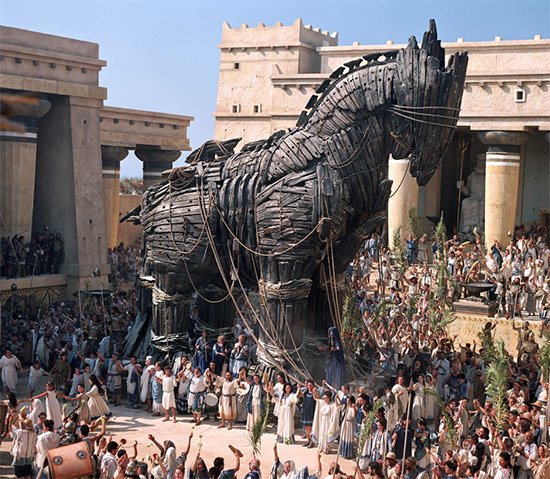
By Dr Oliver Tearle (Loughborough University) What was the Trojan Horse? The Trojan Horse the hollow wooden horse in which Greek soldiers concealed themselves so they could enter Troy without arousing suspicion. The Trojan Horse was offered to the city of Troy as a gift, but when the Trojans took the wooden horse inside the city gates, the Greeks who had secreted themselves within the wooden.
In Greek mythology, the Trojan Horse (Greek: δούρειος ίππος, romanized: doureios hippos, lit. 'wooden horse') was a wooden horse said to have been used by the Greeks during the Trojan War to enter the city of Troy and win the war.
The Tale of the Trojan Horse" is a classic story from ancient Greek mythology, most famously recounted in Homer's epic poem "The Iliad," although the full details of the horse come from later sources.
II. The Origins of the Trojan Horse Myth A. Historical background of the Trojan War The Trojan War, a legendary conflict between the city of Troy and the Achaeans (Greeks), is said to have lasted for ten years. This war, rooted in myths and historical events, was sparked by the abduction of Helen, the wife of Menelaus, king of Sparta, by Paris, prince of Troy. The ensuing conflict was marked.
What Exactly Was The Trojan Horse? Complete Story! - Symbol Sage

The Trojan Horse tells the story of how Odyssues' stratagem helped the Greeks finally, after a decade-long siege, enter and destroy Troy.
Trojan horse, huge hollow wooden horse constructed by the Greeks to gain entrance into Troy during the Trojan War. The horse was built by Epeius, a master carpenter and pugilist. The Greeks, pretending to desert the war, sailed to the nearby island of Tenedos, leaving behind Sinon, who persuaded the Trojans that the horse was an offering to Athena (goddess of war) that would make Troy.
II. The Origins of the Trojan Horse Myth A. Historical background of the Trojan War The Trojan War, a legendary conflict between the city of Troy and the Achaeans (Greeks), is said to have lasted for ten years. This war, rooted in myths and historical events, was sparked by the abduction of Helen, the wife of Menelaus, king of Sparta, by Paris, prince of Troy. The ensuing conflict was marked.
In Greek mythology Trojan Horses were twelve immortal steeds possessed by the kings of Troy. According to some they were they were sired by the North.
What Was The Trojan Horse In Greek Mythology?
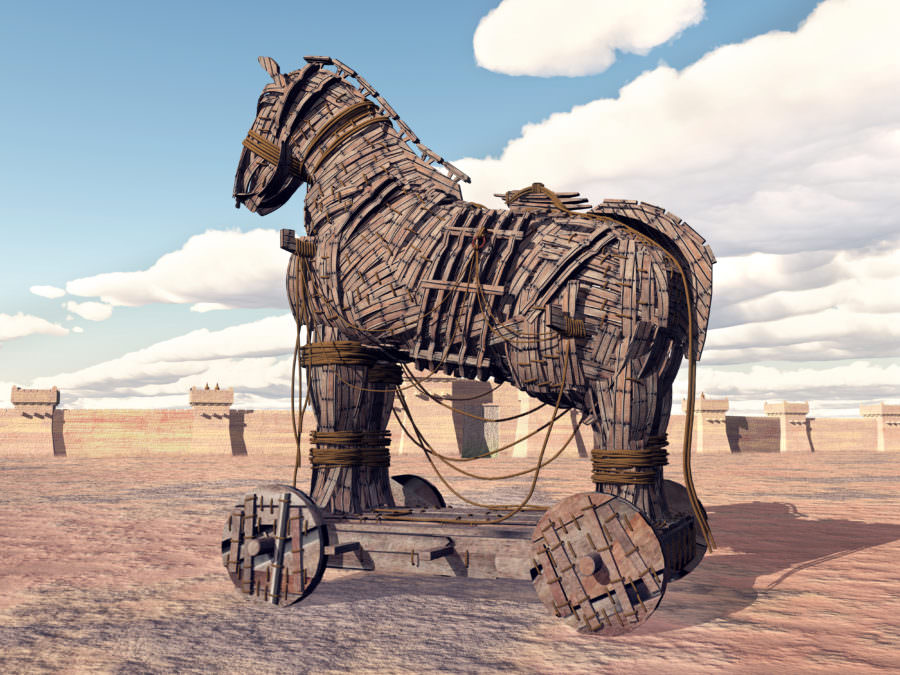
Trojan horse, huge hollow wooden horse constructed by the Greeks to gain entrance into Troy during the Trojan War. The horse was built by Epeius, a master carpenter and pugilist. The Greeks, pretending to desert the war, sailed to the nearby island of Tenedos, leaving behind Sinon, who persuaded the Trojans that the horse was an offering to Athena (goddess of war) that would make Troy.
By Dr Oliver Tearle (Loughborough University) What was the Trojan Horse? The Trojan Horse the hollow wooden horse in which Greek soldiers concealed themselves so they could enter Troy without arousing suspicion. The Trojan Horse was offered to the city of Troy as a gift, but when the Trojans took the wooden horse inside the city gates, the Greeks who had secreted themselves within the wooden.
The Trojan Horse tells the story of how Odyssues' stratagem helped the Greeks finally, after a decade-long siege, enter and destroy Troy.
In Greek mythology Trojan Horses were twelve immortal steeds possessed by the kings of Troy. According to some they were they were sired by the North.
The Story Of The Trojan Horse, The Legendary Weapon Of Ancient Greece
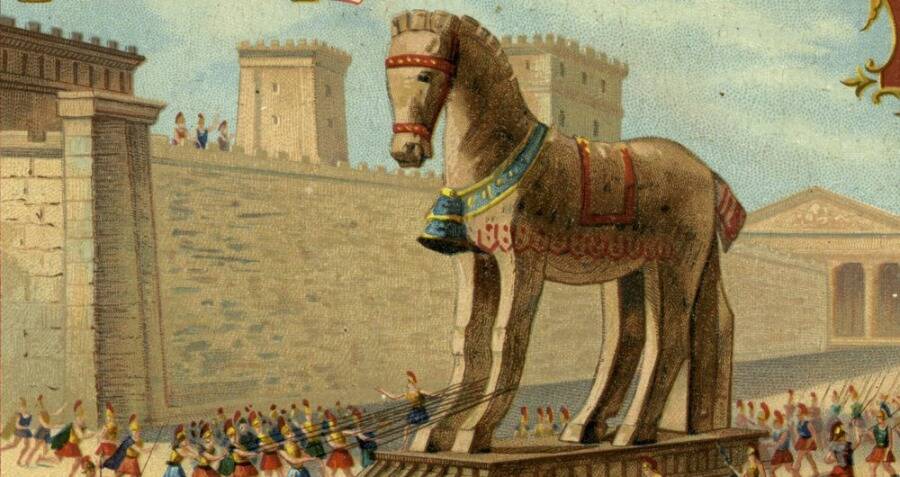
The Trojan Horse (Doureios Ippos in Greek, Δούρειος Ίππος) stands as one of history's most iconic military ruses. Ancient Greek tradition tells of a decade-long siege of Troy, where the Greeks (Achaeans) found themselves frustrated by the city's impenetrable walls. Unable to achieve a decisive victory through force, the cunning Odysseus devised a plan rooted in deception. This.
In Greek mythology, the Trojan Horse (Greek: δούρειος ίππος, romanized: doureios hippos, lit. 'wooden horse') was a wooden horse said to have been used by the Greeks during the Trojan War to enter the city of Troy and win the war.
The Tale of the Trojan Horse" is a classic story from ancient Greek mythology, most famously recounted in Homer's epic poem "The Iliad," although the full details of the horse come from later sources.
Trojan horse, huge hollow wooden horse constructed by the Greeks to gain entrance into Troy during the Trojan War. The horse was built by Epeius, a master carpenter and pugilist. The Greeks, pretending to desert the war, sailed to the nearby island of Tenedos, leaving behind Sinon, who persuaded the Trojans that the horse was an offering to Athena (goddess of war) that would make Troy.
Trojan Horse By Keith Thompson | Trojan Horse, Horses, Greek And Roman ...

The Trojan Horse tells the story of how Odyssues' stratagem helped the Greeks finally, after a decade-long siege, enter and destroy Troy.
In Greek mythology, the Trojan Horse (Greek: δούρειος ίππος, romanized: doureios hippos, lit. 'wooden horse') was a wooden horse said to have been used by the Greeks during the Trojan War to enter the city of Troy and win the war.
The Trojan Horse was an enormous, hollow wooden horse built by the Greeks, which played a crucial role in the ending of the Trojan War.
In Greek mythology Trojan Horses were twelve immortal steeds possessed by the kings of Troy. According to some they were they were sired by the North.
The Story Of The Trojan Horse, The Legendary Weapon Of Ancient Greece
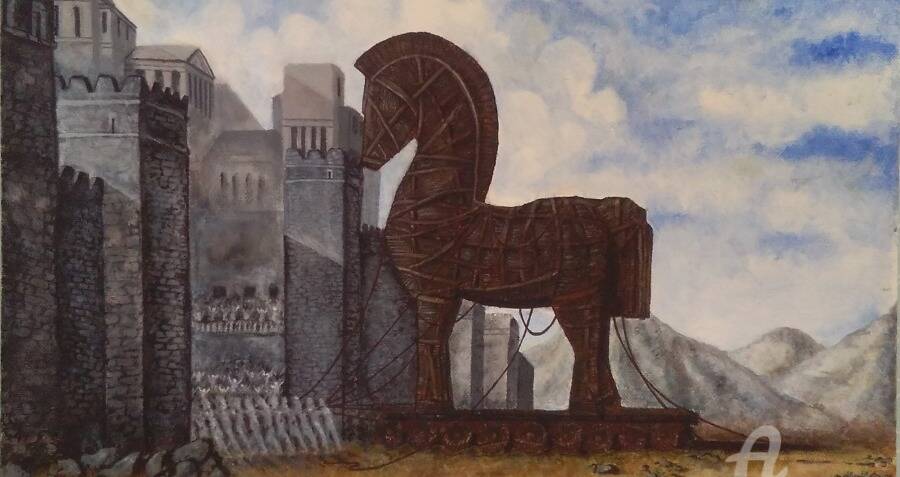
Trojan horse, huge hollow wooden horse constructed by the Greeks to gain entrance into Troy during the Trojan War. The horse was built by Epeius, a master carpenter and pugilist. The Greeks, pretending to desert the war, sailed to the nearby island of Tenedos, leaving behind Sinon, who persuaded the Trojans that the horse was an offering to Athena (goddess of war) that would make Troy.
II. The Origins of the Trojan Horse Myth A. Historical background of the Trojan War The Trojan War, a legendary conflict between the city of Troy and the Achaeans (Greeks), is said to have lasted for ten years. This war, rooted in myths and historical events, was sparked by the abduction of Helen, the wife of Menelaus, king of Sparta, by Paris, prince of Troy. The ensuing conflict was marked.
The Trojan Horse (Doureios Ippos in Greek, Δούρειος Ίππος) stands as one of history's most iconic military ruses. Ancient Greek tradition tells of a decade-long siege of Troy, where the Greeks (Achaeans) found themselves frustrated by the city's impenetrable walls. Unable to achieve a decisive victory through force, the cunning Odysseus devised a plan rooted in deception. This.
By Dr Oliver Tearle (Loughborough University) What was the Trojan Horse? The Trojan Horse the hollow wooden horse in which Greek soldiers concealed themselves so they could enter Troy without arousing suspicion. The Trojan Horse was offered to the city of Troy as a gift, but when the Trojans took the wooden horse inside the city gates, the Greeks who had secreted themselves within the wooden.
10 Facts About The Trojan Horse - Have Fun With History
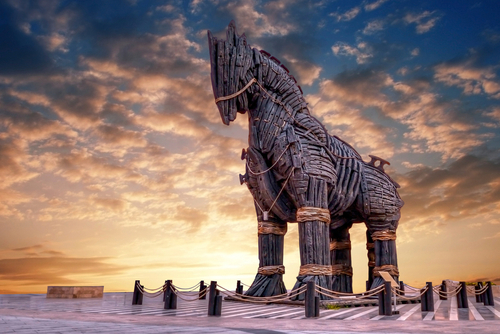
II. The Origins of the Trojan Horse Myth A. Historical background of the Trojan War The Trojan War, a legendary conflict between the city of Troy and the Achaeans (Greeks), is said to have lasted for ten years. This war, rooted in myths and historical events, was sparked by the abduction of Helen, the wife of Menelaus, king of Sparta, by Paris, prince of Troy. The ensuing conflict was marked.
The Tale of the Trojan Horse" is a classic story from ancient Greek mythology, most famously recounted in Homer's epic poem "The Iliad," although the full details of the horse come from later sources.
Trojan horse, huge hollow wooden horse constructed by the Greeks to gain entrance into Troy during the Trojan War. The horse was built by Epeius, a master carpenter and pugilist. The Greeks, pretending to desert the war, sailed to the nearby island of Tenedos, leaving behind Sinon, who persuaded the Trojans that the horse was an offering to Athena (goddess of war) that would make Troy.
The Trojan Horse was an enormous, hollow wooden horse built by the Greeks, which played a crucial role in the ending of the Trojan War.
This Day In History: April 24th
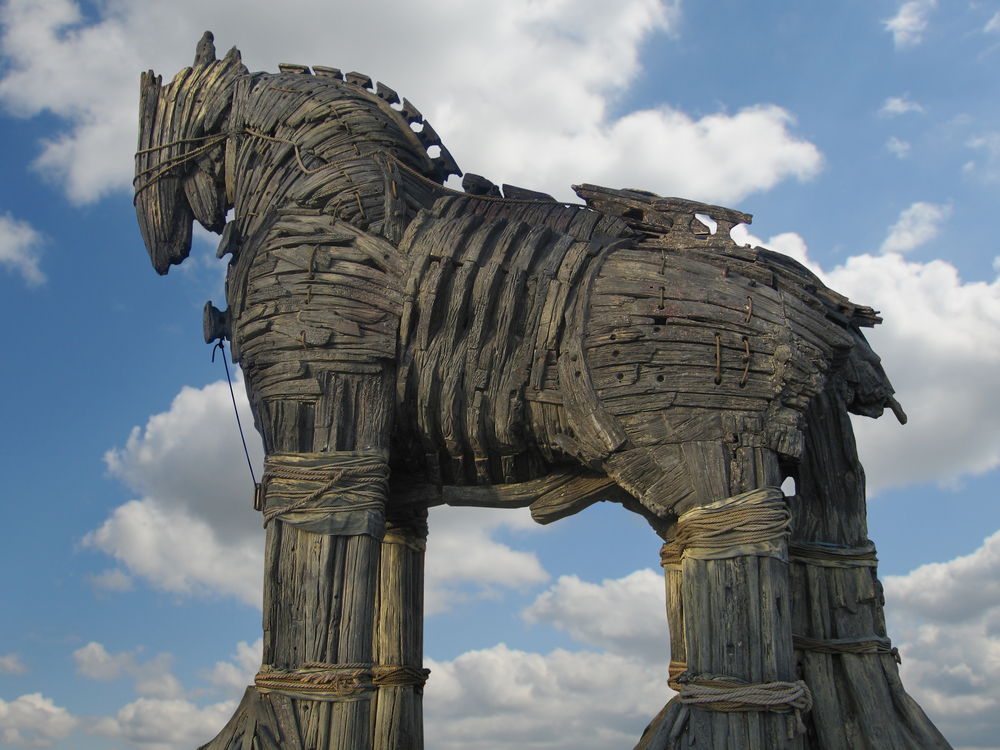
In Greek mythology Trojan Horses were twelve immortal steeds possessed by the kings of Troy. According to some they were they were sired by the North.
The Trojan Horse tells the story of how Odyssues' stratagem helped the Greeks finally, after a decade-long siege, enter and destroy Troy.
The Tale of the Trojan Horse" is a classic story from ancient Greek mythology, most famously recounted in Homer's epic poem "The Iliad," although the full details of the horse come from later sources.
The Trojan Horse in Greek mythology was the wooden horse constructed by the Greeks to gain entry to Troy by subterfuge. Inside the Trojan Horse were numerous heroes waiting to storm through the city of Troy.
The Story Of The Trojan Horse, The Legendary Weapon Of Ancient Greece
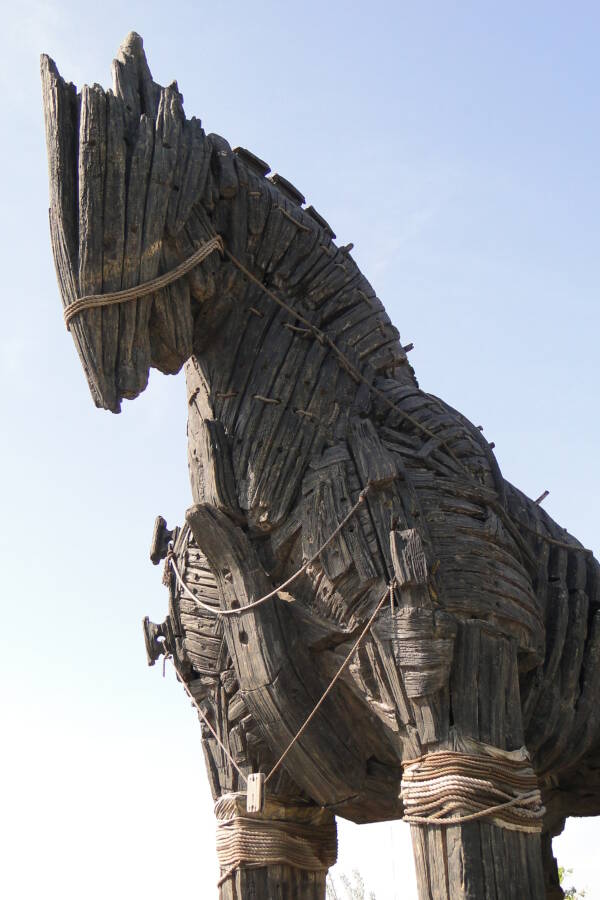
II. The Origins of the Trojan Horse Myth A. Historical background of the Trojan War The Trojan War, a legendary conflict between the city of Troy and the Achaeans (Greeks), is said to have lasted for ten years. This war, rooted in myths and historical events, was sparked by the abduction of Helen, the wife of Menelaus, king of Sparta, by Paris, prince of Troy. The ensuing conflict was marked.
By Dr Oliver Tearle (Loughborough University) What was the Trojan Horse? The Trojan Horse the hollow wooden horse in which Greek soldiers concealed themselves so they could enter Troy without arousing suspicion. The Trojan Horse was offered to the city of Troy as a gift, but when the Trojans took the wooden horse inside the city gates, the Greeks who had secreted themselves within the wooden.
The Trojan Horse (Doureios Ippos in Greek, Δούρειος Ίππος) stands as one of history's most iconic military ruses. Ancient Greek tradition tells of a decade-long siege of Troy, where the Greeks (Achaeans) found themselves frustrated by the city's impenetrable walls. Unable to achieve a decisive victory through force, the cunning Odysseus devised a plan rooted in deception. This.
In Greek mythology Trojan Horses were twelve immortal steeds possessed by the kings of Troy. According to some they were they were sired by the North.
What Exactly Was The Trojan Horse? Complete Story! - Symbol Sage
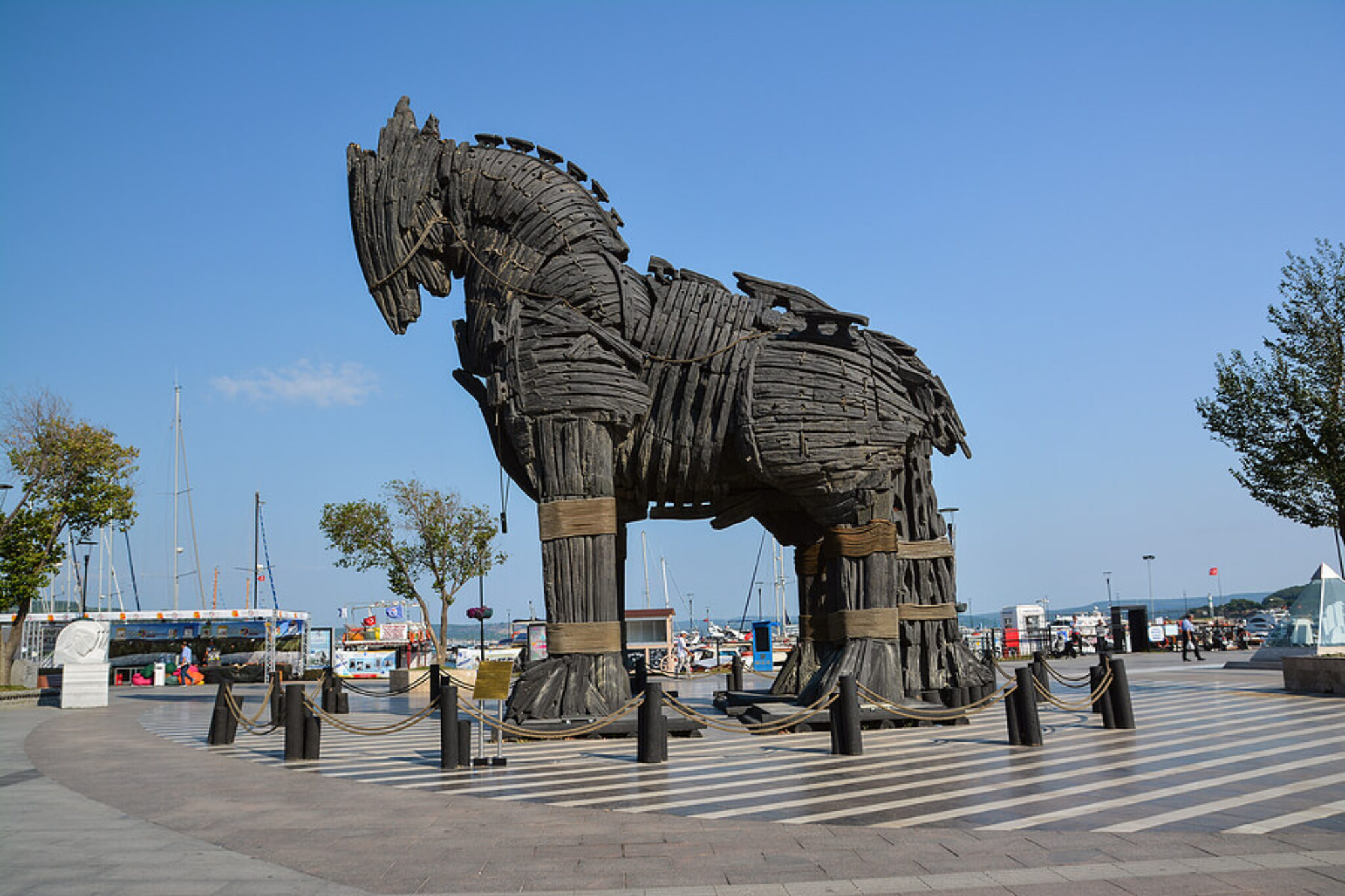
The Trojan Horse was an enormous, hollow wooden horse built by the Greeks, which played a crucial role in the ending of the Trojan War.
In Greek mythology, the Trojan Horse (Greek: δούρειος ίππος, romanized: doureios hippos, lit. 'wooden horse') was a wooden horse said to have been used by the Greeks during the Trojan War to enter the city of Troy and win the war.
Trojan horse, huge hollow wooden horse constructed by the Greeks to gain entrance into Troy during the Trojan War. The horse was built by Epeius, a master carpenter and pugilist. The Greeks, pretending to desert the war, sailed to the nearby island of Tenedos, leaving behind Sinon, who persuaded the Trojans that the horse was an offering to Athena (goddess of war) that would make Troy.
The Trojan Horse in Greek mythology was the wooden horse constructed by the Greeks to gain entry to Troy by subterfuge. Inside the Trojan Horse were numerous heroes waiting to storm through the city of Troy.
What Were The Major Factors/outcomes Of The Trojan War? Timeline ...
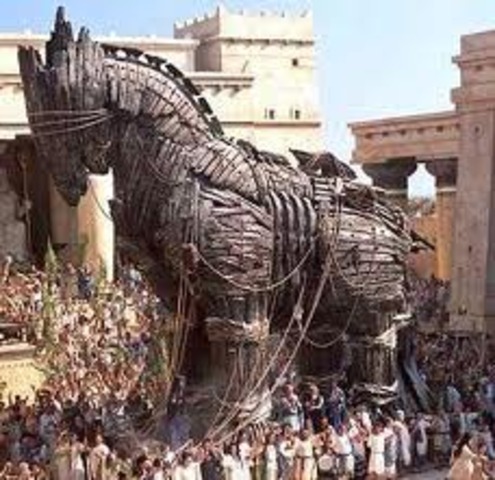
Trojan horse, huge hollow wooden horse constructed by the Greeks to gain entrance into Troy during the Trojan War. The horse was built by Epeius, a master carpenter and pugilist. The Greeks, pretending to desert the war, sailed to the nearby island of Tenedos, leaving behind Sinon, who persuaded the Trojans that the horse was an offering to Athena (goddess of war) that would make Troy.
In Greek mythology, the Trojan Horse (Greek: δούρειος ίππος, romanized: doureios hippos, lit. 'wooden horse') was a wooden horse said to have been used by the Greeks during the Trojan War to enter the city of Troy and win the war.
By Dr Oliver Tearle (Loughborough University) What was the Trojan Horse? The Trojan Horse the hollow wooden horse in which Greek soldiers concealed themselves so they could enter Troy without arousing suspicion. The Trojan Horse was offered to the city of Troy as a gift, but when the Trojans took the wooden horse inside the city gates, the Greeks who had secreted themselves within the wooden.
The Trojan Horse was an enormous, hollow wooden horse built by the Greeks, which played a crucial role in the ending of the Trojan War.

The Trojan Horse (Doureios Ippos in Greek, Δούρειος Ίππος) stands as one of history's most iconic military ruses. Ancient Greek tradition tells of a decade-long siege of Troy, where the Greeks (Achaeans) found themselves frustrated by the city's impenetrable walls. Unable to achieve a decisive victory through force, the cunning Odysseus devised a plan rooted in deception. This.
The Trojan Horse in Greek mythology was the wooden horse constructed by the Greeks to gain entry to Troy by subterfuge. Inside the Trojan Horse were numerous heroes waiting to storm through the city of Troy.
The Trojan Horse tells the story of how Odyssues' stratagem helped the Greeks finally, after a decade-long siege, enter and destroy Troy.
In Greek mythology, the Trojan Horse (Greek: δούρειος ίππος, romanized: doureios hippos, lit. 'wooden horse') was a wooden horse said to have been used by the Greeks during the Trojan War to enter the city of Troy and win the war.
Who Were The Trojans? | Ancient History | Twinkl USA
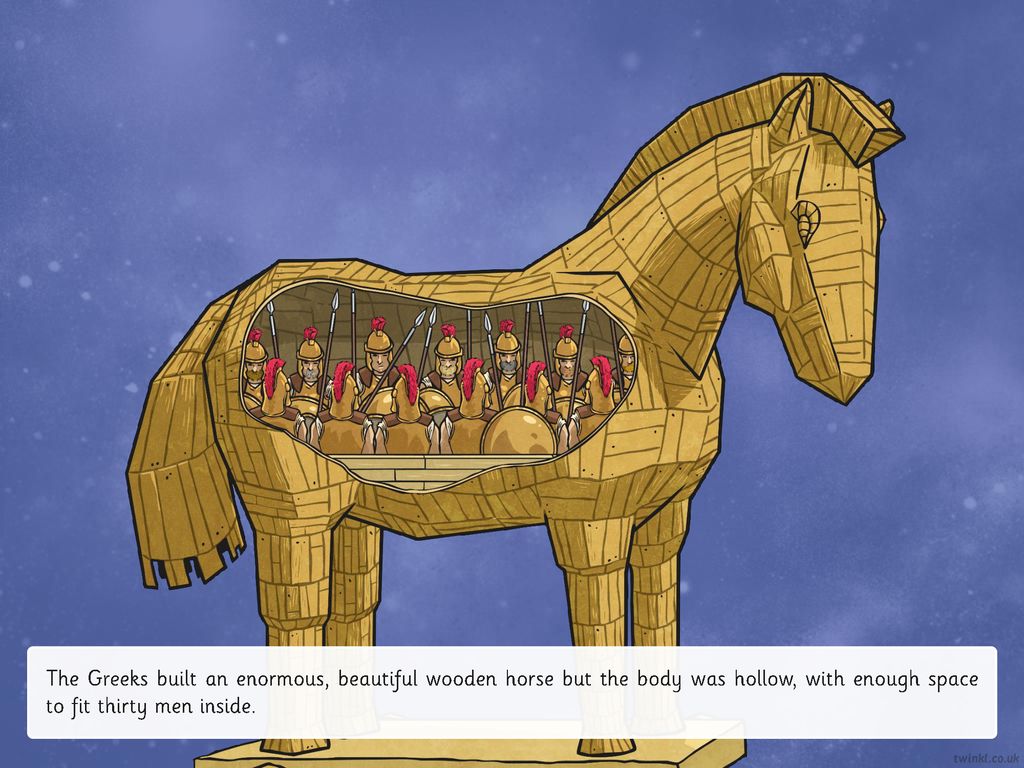
In Greek mythology Trojan Horses were twelve immortal steeds possessed by the kings of Troy. According to some they were they were sired by the North.
II. The Origins of the Trojan Horse Myth A. Historical background of the Trojan War The Trojan War, a legendary conflict between the city of Troy and the Achaeans (Greeks), is said to have lasted for ten years. This war, rooted in myths and historical events, was sparked by the abduction of Helen, the wife of Menelaus, king of Sparta, by Paris, prince of Troy. The ensuing conflict was marked.
By Dr Oliver Tearle (Loughborough University) What was the Trojan Horse? The Trojan Horse the hollow wooden horse in which Greek soldiers concealed themselves so they could enter Troy without arousing suspicion. The Trojan Horse was offered to the city of Troy as a gift, but when the Trojans took the wooden horse inside the city gates, the Greeks who had secreted themselves within the wooden.
The Trojan Horse tells the story of how Odyssues' stratagem helped the Greeks finally, after a decade-long siege, enter and destroy Troy.
H - The Legend Of The Trojan Horse
By Dr Oliver Tearle (Loughborough University) What was the Trojan Horse? The Trojan Horse the hollow wooden horse in which Greek soldiers concealed themselves so they could enter Troy without arousing suspicion. The Trojan Horse was offered to the city of Troy as a gift, but when the Trojans took the wooden horse inside the city gates, the Greeks who had secreted themselves within the wooden.
II. The Origins of the Trojan Horse Myth A. Historical background of the Trojan War The Trojan War, a legendary conflict between the city of Troy and the Achaeans (Greeks), is said to have lasted for ten years. This war, rooted in myths and historical events, was sparked by the abduction of Helen, the wife of Menelaus, king of Sparta, by Paris, prince of Troy. The ensuing conflict was marked.
The Trojan Horse tells the story of how Odyssues' stratagem helped the Greeks finally, after a decade-long siege, enter and destroy Troy.
Trojan horse, huge hollow wooden horse constructed by the Greeks to gain entrance into Troy during the Trojan War. The horse was built by Epeius, a master carpenter and pugilist. The Greeks, pretending to desert the war, sailed to the nearby island of Tenedos, leaving behind Sinon, who persuaded the Trojans that the horse was an offering to Athena (goddess of war) that would make Troy.
By Dr Oliver Tearle (Loughborough University) What was the Trojan Horse? The Trojan Horse the hollow wooden horse in which Greek soldiers concealed themselves so they could enter Troy without arousing suspicion. The Trojan Horse was offered to the city of Troy as a gift, but when the Trojans took the wooden horse inside the city gates, the Greeks who had secreted themselves within the wooden.
Trojan horse, huge hollow wooden horse constructed by the Greeks to gain entrance into Troy during the Trojan War. The horse was built by Epeius, a master carpenter and pugilist. The Greeks, pretending to desert the war, sailed to the nearby island of Tenedos, leaving behind Sinon, who persuaded the Trojans that the horse was an offering to Athena (goddess of war) that would make Troy.
II. The Origins of the Trojan Horse Myth A. Historical background of the Trojan War The Trojan War, a legendary conflict between the city of Troy and the Achaeans (Greeks), is said to have lasted for ten years. This war, rooted in myths and historical events, was sparked by the abduction of Helen, the wife of Menelaus, king of Sparta, by Paris, prince of Troy. The ensuing conflict was marked.
The Trojan Horse (Doureios Ippos in Greek, Δούρειος Ίππος) stands as one of history's most iconic military ruses. Ancient Greek tradition tells of a decade-long siege of Troy, where the Greeks (Achaeans) found themselves frustrated by the city's impenetrable walls. Unable to achieve a decisive victory through force, the cunning Odysseus devised a plan rooted in deception. This.
The Tale of the Trojan Horse" is a classic story from ancient Greek mythology, most famously recounted in Homer's epic poem "The Iliad," although the full details of the horse come from later sources.
The Trojan Horse tells the story of how Odyssues' stratagem helped the Greeks finally, after a decade-long siege, enter and destroy Troy.
The Trojan Horse in Greek mythology was the wooden horse constructed by the Greeks to gain entry to Troy by subterfuge. Inside the Trojan Horse were numerous heroes waiting to storm through the city of Troy.
In Greek mythology Trojan Horses were twelve immortal steeds possessed by the kings of Troy. According to some they were they were sired by the North.
The Trojan Horse was an enormous, hollow wooden horse built by the Greeks, which played a crucial role in the ending of the Trojan War.
In Greek mythology, the Trojan Horse (Greek: δούρειος ίππος, romanized: doureios hippos, lit. 'wooden horse') was a wooden horse said to have been used by the Greeks during the Trojan War to enter the city of Troy and win the war.