Rare Animal Color Mutations
They're pink or reddish-brown, and their rare mutation is more common in Asian elephants than in African elephants. In Asian countries like Burma (also called Myanmar) and Thailand, white elephants were traditionally considered sacred and are not used for any form of labor.
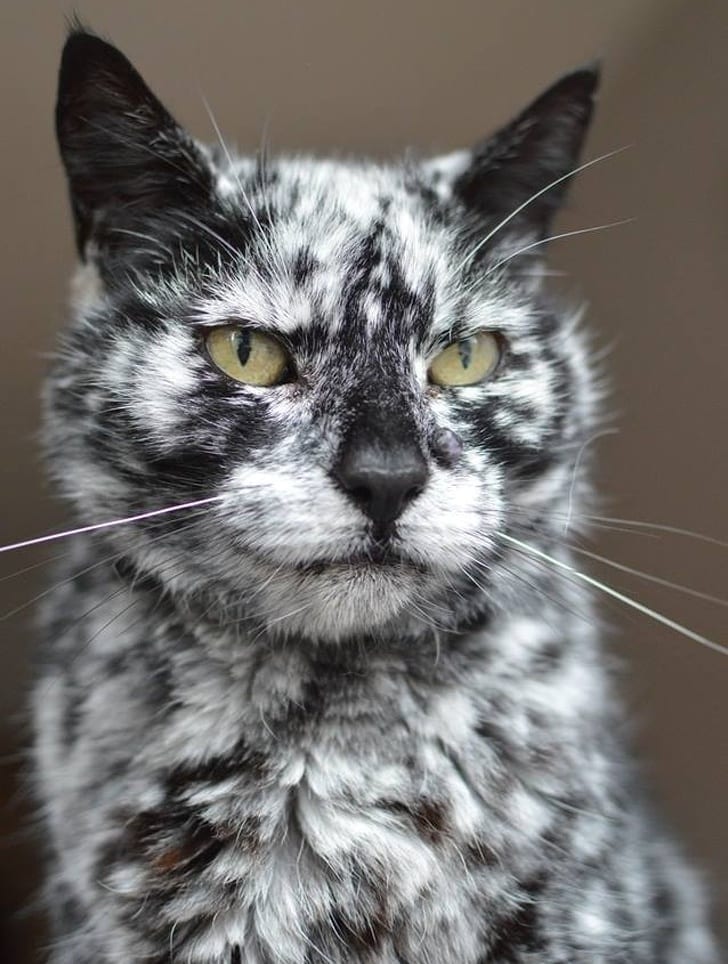
Leucistic animals have a mutation that reduces the amount of melanin and other pigments in their fur, feathers, or skin (but not eyes). "Leucinos" may appear virtually pure white but still possess "normal-colored" eyes and skin; they may possess only a single white feather but otherwise appear normal; or they may exhibit partially white plumage.
50 Absolutely Rare Animals in The World - Color Mutation in Animals February 9, 2019, 12:04 pm Some animals hit the nature's jackpot so hard that so much as different and interesting colors in nature are considered mutations like we mostly watch in movies based on comics.
A genetic mutation that results in a specific type of deafness is more common in the cocker spaniel breed. Yulia said,"A mutation in the gene that codes for the protein melanophilin is the origin of the Russian blue cat's blue coat color. No other breeds of cats have this mutation, which is solely seen in Russian blue cats. #11 It's Fanny.
50 Absolutely Rare Animals In The World - Color Mutation In Animals

Case in point? Color mutations in animals. Over time, evolution can transform an entire species, even creating new ones. Alternatively, a specific mutation can affect only a few individuals within a given animal population. Several kinds of color mutations can affect the animal world, ranging from well.
Sometimes, genetic quirks create animals so unique that they leave even seasoned scientists stunned. From mesmerizing colors to unexpected abilities, these mutations push the boundaries of what we think is possible in the natural world. Let's uncover 12 rare animal mutations that are as fascinating as they are baffling. 1.
Rare genetic color mutations can make animals that are usually familiar to us look completely different. See Piebald, Erythristic, Chimeric animals, and more!
Iguanas typically come in shades of green or brown, but some rare mutations result in iguanas with beautiful greenish.
38 Stunning Animals With The Most Unique Color Mutations On Planet Earth_国际_蛋蛋赞
50 Absolutely Rare Animals in The World - Color Mutation in Animals February 9, 2019, 12:04 pm Some animals hit the nature's jackpot so hard that so much as different and interesting colors in nature are considered mutations like we mostly watch in movies based on comics.
Case in point? Color mutations in animals. Over time, evolution can transform an entire species, even creating new ones. Alternatively, a specific mutation can affect only a few individuals within a given animal population. Several kinds of color mutations can affect the animal world, ranging from well.
Iguanas typically come in shades of green or brown, but some rare mutations result in iguanas with beautiful greenish.
A genetic mutation that results in a specific type of deafness is more common in the cocker spaniel breed. Yulia said,"A mutation in the gene that codes for the protein melanophilin is the origin of the Russian blue cat's blue coat color. No other breeds of cats have this mutation, which is solely seen in Russian blue cats. #11 It's Fanny.
50 Absolutely Rare Animals In The World - Color Mutation In Animals

A genetic mutation that results in a specific type of deafness is more common in the cocker spaniel breed. Yulia said,"A mutation in the gene that codes for the protein melanophilin is the origin of the Russian blue cat's blue coat color. No other breeds of cats have this mutation, which is solely seen in Russian blue cats. #11 It's Fanny.
Leucistic animals have a mutation that reduces the amount of melanin and other pigments in their fur, feathers, or skin (but not eyes). "Leucinos" may appear virtually pure white but still possess "normal-colored" eyes and skin; they may possess only a single white feather but otherwise appear normal; or they may exhibit partially white plumage.
They're pink or reddish-brown, and their rare mutation is more common in Asian elephants than in African elephants. In Asian countries like Burma (also called Myanmar) and Thailand, white elephants were traditionally considered sacred and are not used for any form of labor.
These rare mutations show just how unpredictable and fascinating animal genetics can be. Take a look at some of the most extraordinary natural mutations that prove truth is stranger than fiction.
50 Absolutely Rare Animals In The World - Color Mutation In Animals
Iguanas typically come in shades of green or brown, but some rare mutations result in iguanas with beautiful greenish.
A genetic mutation that results in a specific type of deafness is more common in the cocker spaniel breed. Yulia said,"A mutation in the gene that codes for the protein melanophilin is the origin of the Russian blue cat's blue coat color. No other breeds of cats have this mutation, which is solely seen in Russian blue cats. #11 It's Fanny.
They're pink or reddish-brown, and their rare mutation is more common in Asian elephants than in African elephants. In Asian countries like Burma (also called Myanmar) and Thailand, white elephants were traditionally considered sacred and are not used for any form of labor.
These rare mutations show just how unpredictable and fascinating animal genetics can be. Take a look at some of the most extraordinary natural mutations that prove truth is stranger than fiction.
50 Absolutely Rare Animals In The World - Color Mutation In Animals

50 Absolutely Rare Animals in The World - Color Mutation in Animals February 9, 2019, 12:04 pm Some animals hit the nature's jackpot so hard that so much as different and interesting colors in nature are considered mutations like we mostly watch in movies based on comics.
These rare mutations show just how unpredictable and fascinating animal genetics can be. Take a look at some of the most extraordinary natural mutations that prove truth is stranger than fiction.
Sometimes, genetic quirks create animals so unique that they leave even seasoned scientists stunned. From mesmerizing colors to unexpected abilities, these mutations push the boundaries of what we think is possible in the natural world. Let's uncover 12 rare animal mutations that are as fascinating as they are baffling. 1.
Iguanas typically come in shades of green or brown, but some rare mutations result in iguanas with beautiful greenish.
10 Amazing Color Mutations In Animals - Listverse
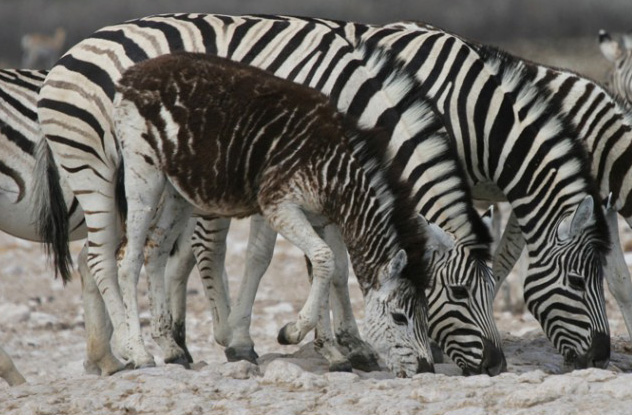
Rare genetic color mutations can make animals that are usually familiar to us look completely different. See Piebald, Erythristic, Chimeric animals, and more!
Case in point? Color mutations in animals. Over time, evolution can transform an entire species, even creating new ones. Alternatively, a specific mutation can affect only a few individuals within a given animal population. Several kinds of color mutations can affect the animal world, ranging from well.
Sometimes, genetic quirks create animals so unique that they leave even seasoned scientists stunned. From mesmerizing colors to unexpected abilities, these mutations push the boundaries of what we think is possible in the natural world. Let's uncover 12 rare animal mutations that are as fascinating as they are baffling. 1.
Sometimes, when nature throws in a little something extra, animals are born with unexpected color mutations. While it's rare, those animals can survive to adulthood and pass along their unique coloration.
38 Stunning Animals With The Most Unique Color Mutations On Planet Earth | Rare Albino Animals ...

Sometimes, genetic quirks create animals so unique that they leave even seasoned scientists stunned. From mesmerizing colors to unexpected abilities, these mutations push the boundaries of what we think is possible in the natural world. Let's uncover 12 rare animal mutations that are as fascinating as they are baffling. 1.
They're pink or reddish-brown, and their rare mutation is more common in Asian elephants than in African elephants. In Asian countries like Burma (also called Myanmar) and Thailand, white elephants were traditionally considered sacred and are not used for any form of labor.
Iguanas typically come in shades of green or brown, but some rare mutations result in iguanas with beautiful greenish.
These rare mutations show just how unpredictable and fascinating animal genetics can be. Take a look at some of the most extraordinary natural mutations that prove truth is stranger than fiction.
50 Absolutely Rare Animals In The World - Color Mutation In Animals

Sometimes, when nature throws in a little something extra, animals are born with unexpected color mutations. While it's rare, those animals can survive to adulthood and pass along their unique coloration.
Leucistic animals have a mutation that reduces the amount of melanin and other pigments in their fur, feathers, or skin (but not eyes). "Leucinos" may appear virtually pure white but still possess "normal-colored" eyes and skin; they may possess only a single white feather but otherwise appear normal; or they may exhibit partially white plumage.
Sometimes, genetic quirks create animals so unique that they leave even seasoned scientists stunned. From mesmerizing colors to unexpected abilities, these mutations push the boundaries of what we think is possible in the natural world. Let's uncover 12 rare animal mutations that are as fascinating as they are baffling. 1.
Case in point? Color mutations in animals. Over time, evolution can transform an entire species, even creating new ones. Alternatively, a specific mutation can affect only a few individuals within a given animal population. Several kinds of color mutations can affect the animal world, ranging from well.
50 Absolutely Rare Animals In The World - Color Mutation In Animals

A genetic mutation that results in a specific type of deafness is more common in the cocker spaniel breed. Yulia said,"A mutation in the gene that codes for the protein melanophilin is the origin of the Russian blue cat's blue coat color. No other breeds of cats have this mutation, which is solely seen in Russian blue cats. #11 It's Fanny.
Case in point? Color mutations in animals. Over time, evolution can transform an entire species, even creating new ones. Alternatively, a specific mutation can affect only a few individuals within a given animal population. Several kinds of color mutations can affect the animal world, ranging from well.
They're pink or reddish-brown, and their rare mutation is more common in Asian elephants than in African elephants. In Asian countries like Burma (also called Myanmar) and Thailand, white elephants were traditionally considered sacred and are not used for any form of labor.
Sometimes, when nature throws in a little something extra, animals are born with unexpected color mutations. While it's rare, those animals can survive to adulthood and pass along their unique coloration.
50 Absolutely Rare Animals In The World - Color Mutation In Animals

Case in point? Color mutations in animals. Over time, evolution can transform an entire species, even creating new ones. Alternatively, a specific mutation can affect only a few individuals within a given animal population. Several kinds of color mutations can affect the animal world, ranging from well.
Sometimes, genetic quirks create animals so unique that they leave even seasoned scientists stunned. From mesmerizing colors to unexpected abilities, these mutations push the boundaries of what we think is possible in the natural world. Let's uncover 12 rare animal mutations that are as fascinating as they are baffling. 1.
Leucistic animals have a mutation that reduces the amount of melanin and other pigments in their fur, feathers, or skin (but not eyes). "Leucinos" may appear virtually pure white but still possess "normal-colored" eyes and skin; they may possess only a single white feather but otherwise appear normal; or they may exhibit partially white plumage.
They're pink or reddish-brown, and their rare mutation is more common in Asian elephants than in African elephants. In Asian countries like Burma (also called Myanmar) and Thailand, white elephants were traditionally considered sacred and are not used for any form of labor.
50 Absolutely Rare Animals In The World - Color Mutation In Animals

Rare genetic color mutations can make animals that are usually familiar to us look completely different. See Piebald, Erythristic, Chimeric animals, and more!
A genetic mutation that results in a specific type of deafness is more common in the cocker spaniel breed. Yulia said,"A mutation in the gene that codes for the protein melanophilin is the origin of the Russian blue cat's blue coat color. No other breeds of cats have this mutation, which is solely seen in Russian blue cats. #11 It's Fanny.
Case in point? Color mutations in animals. Over time, evolution can transform an entire species, even creating new ones. Alternatively, a specific mutation can affect only a few individuals within a given animal population. Several kinds of color mutations can affect the animal world, ranging from well.
These rare mutations show just how unpredictable and fascinating animal genetics can be. Take a look at some of the most extraordinary natural mutations that prove truth is stranger than fiction.
50 Absolutely Rare Animals In The World - Color Mutation In Animals

Case in point? Color mutations in animals. Over time, evolution can transform an entire species, even creating new ones. Alternatively, a specific mutation can affect only a few individuals within a given animal population. Several kinds of color mutations can affect the animal world, ranging from well.
Rare genetic color mutations can make animals that are usually familiar to us look completely different. See Piebald, Erythristic, Chimeric animals, and more!
Sometimes, when nature throws in a little something extra, animals are born with unexpected color mutations. While it's rare, those animals can survive to adulthood and pass along their unique coloration.
Sometimes, genetic quirks create animals so unique that they leave even seasoned scientists stunned. From mesmerizing colors to unexpected abilities, these mutations push the boundaries of what we think is possible in the natural world. Let's uncover 12 rare animal mutations that are as fascinating as they are baffling. 1.
50 Absolutely Rare Animals In The World - Color Mutation In Animals

Rare genetic color mutations can make animals that are usually familiar to us look completely different. See Piebald, Erythristic, Chimeric animals, and more!
They're pink or reddish-brown, and their rare mutation is more common in Asian elephants than in African elephants. In Asian countries like Burma (also called Myanmar) and Thailand, white elephants were traditionally considered sacred and are not used for any form of labor.
50 Absolutely Rare Animals in The World - Color Mutation in Animals February 9, 2019, 12:04 pm Some animals hit the nature's jackpot so hard that so much as different and interesting colors in nature are considered mutations like we mostly watch in movies based on comics.
A genetic mutation that results in a specific type of deafness is more common in the cocker spaniel breed. Yulia said,"A mutation in the gene that codes for the protein melanophilin is the origin of the Russian blue cat's blue coat color. No other breeds of cats have this mutation, which is solely seen in Russian blue cats. #11 It's Fanny.
50 Absolutely Rare Animals In The World - Color Mutation In Animals

Sometimes, when nature throws in a little something extra, animals are born with unexpected color mutations. While it's rare, those animals can survive to adulthood and pass along their unique coloration.
They're pink or reddish-brown, and their rare mutation is more common in Asian elephants than in African elephants. In Asian countries like Burma (also called Myanmar) and Thailand, white elephants were traditionally considered sacred and are not used for any form of labor.
50 Absolutely Rare Animals in The World - Color Mutation in Animals February 9, 2019, 12:04 pm Some animals hit the nature's jackpot so hard that so much as different and interesting colors in nature are considered mutations like we mostly watch in movies based on comics.
Leucistic animals have a mutation that reduces the amount of melanin and other pigments in their fur, feathers, or skin (but not eyes). "Leucinos" may appear virtually pure white but still possess "normal-colored" eyes and skin; they may possess only a single white feather but otherwise appear normal; or they may exhibit partially white plumage.
Here Are 37 Animals With The Most Unique Color Mutations On Earth. The Last One Is STUNNING ...

A genetic mutation that results in a specific type of deafness is more common in the cocker spaniel breed. Yulia said,"A mutation in the gene that codes for the protein melanophilin is the origin of the Russian blue cat's blue coat color. No other breeds of cats have this mutation, which is solely seen in Russian blue cats. #11 It's Fanny.
They're pink or reddish-brown, and their rare mutation is more common in Asian elephants than in African elephants. In Asian countries like Burma (also called Myanmar) and Thailand, white elephants were traditionally considered sacred and are not used for any form of labor.
These rare mutations show just how unpredictable and fascinating animal genetics can be. Take a look at some of the most extraordinary natural mutations that prove truth is stranger than fiction.
Leucistic animals have a mutation that reduces the amount of melanin and other pigments in their fur, feathers, or skin (but not eyes). "Leucinos" may appear virtually pure white but still possess "normal-colored" eyes and skin; they may possess only a single white feather but otherwise appear normal; or they may exhibit partially white plumage.
Iguanas typically come in shades of green or brown, but some rare mutations result in iguanas with beautiful greenish.
Sometimes, when nature throws in a little something extra, animals are born with unexpected color mutations. While it's rare, those animals can survive to adulthood and pass along their unique coloration.
Case in point? Color mutations in animals. Over time, evolution can transform an entire species, even creating new ones. Alternatively, a specific mutation can affect only a few individuals within a given animal population. Several kinds of color mutations can affect the animal world, ranging from well.
Sometimes, genetic quirks create animals so unique that they leave even seasoned scientists stunned. From mesmerizing colors to unexpected abilities, these mutations push the boundaries of what we think is possible in the natural world. Let's uncover 12 rare animal mutations that are as fascinating as they are baffling. 1.
A genetic mutation that results in a specific type of deafness is more common in the cocker spaniel breed. Yulia said,"A mutation in the gene that codes for the protein melanophilin is the origin of the Russian blue cat's blue coat color. No other breeds of cats have this mutation, which is solely seen in Russian blue cats. #11 It's Fanny.
Rare genetic color mutations can make animals that are usually familiar to us look completely different. See Piebald, Erythristic, Chimeric animals, and more!
50 Absolutely Rare Animals in The World - Color Mutation in Animals February 9, 2019, 12:04 pm Some animals hit the nature's jackpot so hard that so much as different and interesting colors in nature are considered mutations like we mostly watch in movies based on comics.
Leucistic animals have a mutation that reduces the amount of melanin and other pigments in their fur, feathers, or skin (but not eyes). "Leucinos" may appear virtually pure white but still possess "normal-colored" eyes and skin; they may possess only a single white feather but otherwise appear normal; or they may exhibit partially white plumage.
These rare mutations show just how unpredictable and fascinating animal genetics can be. Take a look at some of the most extraordinary natural mutations that prove truth is stranger than fiction.
They're pink or reddish-brown, and their rare mutation is more common in Asian elephants than in African elephants. In Asian countries like Burma (also called Myanmar) and Thailand, white elephants were traditionally considered sacred and are not used for any form of labor.