Is It Legal To Own A Giraffe In Colorado
FindLaw's state-by-state guide of laws that prohibit and/or regulate the ownership of certain exotic animals.
Wildlife are a "public resource" so cannot be owned by individuals, according to Colorado Parks & Wildlife (CPW), and it's for the animals' own good. Wild animals just aren't wired for domestic living like dogs, cats, and other common pets. Wildlife can carry disease, and they can become frightened, destructive, and even harmful to.
According to Colorado Parks and Wildlife, at least from their perspective wildlife should stay wild because not only are these animals happier in the wild, some of them are flat out too dangerous to own. It IS however legal to own domestic animals, which aren't regulated by the Colorado Parks and Wildlife. These animals must, however, comply with regulations of the state agriculture and.
In Colorado, the laws around what animals are legal or illegal to own are nuanced, and violating them can put you and the animals at risk. Generally speaking, wild animals (like bears, elk, mountain lions, and coyotes) are illegal to own, while domesticated animals (think cattle, horses, dogs, and cats) are legal and unregulated.
27 Things To Do In Colorado With Kids (By A Local Mom)

In general, it is illegal to own wildlife in Colorado. You cannot remove a wild animal from the woods and take it home.
According to Colorado Parks and Wildlife, at least from their perspective wildlife should stay wild because not only are these animals happier in the wild, some of them are flat out too dangerous to own. It IS however legal to own domestic animals, which aren't regulated by the Colorado Parks and Wildlife. These animals must, however, comply with regulations of the state agriculture and.
Considering a pet giraffe? Understand the complex legal journey and requirements for responsible exotic animal ownership.
The legality of owning a giraffe in the United States is determined by a tiered system of government oversight. There is no simple "yes" or "no" answer, as a potential owner must navigate regulations at the federal, state, and local levels. Each layer of law presents its own set of rules and requirements that must be satisfied.
Cheyenne Mountain Zoo Brings Update On Giraffe Calf | FOX21 News Colorado

FindLaw's state-by-state guide of laws that prohibit and/or regulate the ownership of certain exotic animals.
Every U.S. state has exotic or wild animals laws defining if a species is allowed, forbidden, or needs specific permission. You can have a pet crocodile, python, or emu in some states, while others have banned pet rabbits or hamsters. Some U.S. states are more permissive than others. Find out what your state's wild or exotic animal laws are, and before you take an animal to your home.
According to Colorado Parks and Wildlife, at least from their perspective wildlife should stay wild because not only are these animals happier in the wild, some of them are flat out too dangerous to own. It IS however legal to own domestic animals, which aren't regulated by the Colorado Parks and Wildlife. These animals must, however, comply with regulations of the state agriculture and.
Considering a pet giraffe? Understand the complex legal journey and requirements for responsible exotic animal ownership.
Bailey’s Baby: Newest Addition To The Giraffe Herd At Cheyenne Mountain ...

Curious about what exotic pets are legal in Colorado? Then read on! Please note that this is not an all inclusive list, but only includes animals we educate.
In Colorado, the laws around what animals are legal or illegal to own are nuanced, and violating them can put you and the animals at risk. Generally speaking, wild animals (like bears, elk, mountain lions, and coyotes) are illegal to own, while domesticated animals (think cattle, horses, dogs, and cats) are legal and unregulated.
In general, it is illegal to own wildlife in Colorado. You cannot remove a wild animal from the woods and take it home.
According to Colorado Parks and Wildlife, at least from their perspective wildlife should stay wild because not only are these animals happier in the wild, some of them are flat out too dangerous to own. It IS however legal to own domestic animals, which aren't regulated by the Colorado Parks and Wildlife. These animals must, however, comply with regulations of the state agriculture and.
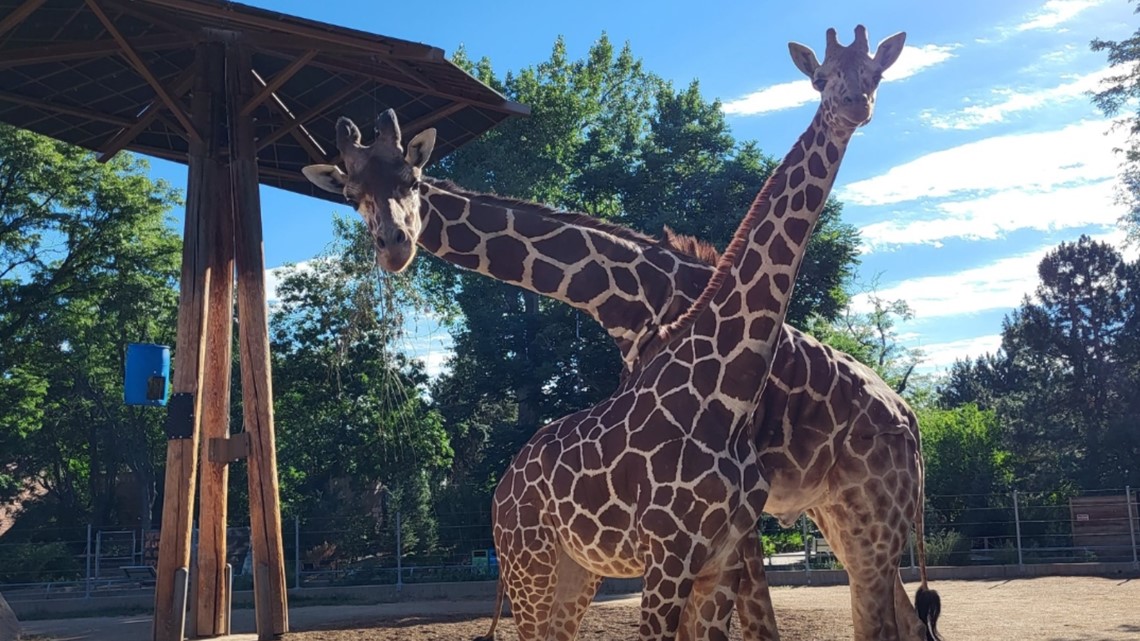
Meet Denver Zoo's New Giraffe, 21-month-old BB | 9news.com
FindLaw's state-by-state guide of laws that prohibit and/or regulate the ownership of certain exotic animals.
In Colorado, the laws around what animals are legal or illegal to own are nuanced, and violating them can put you and the animals at risk. Generally speaking, wild animals (like bears, elk, mountain lions, and coyotes) are illegal to own, while domesticated animals (think cattle, horses, dogs, and cats) are legal and unregulated.
There's a story of a man in Northern Colorado getting attacked by a reindeer that has people around the state talking about what types of animals are legal to own here.
According to Colorado Parks and Wildlife, at least from their perspective wildlife should stay wild because not only are these animals happier in the wild, some of them are flat out too dangerous to own. It IS however legal to own domestic animals, which aren't regulated by the Colorado Parks and Wildlife. These animals must, however, comply with regulations of the state agriculture and.
Baby Giraffe Moving To Cheyenne Mountain Zoo | FOX21 News Colorado

In Colorado, the laws around what animals are legal or illegal to own are nuanced, and violating them can put you and the animals at risk. Generally speaking, wild animals (like bears, elk, mountain lions, and coyotes) are illegal to own, while domesticated animals (think cattle, horses, dogs, and cats) are legal and unregulated.
Every U.S. state has exotic or wild animals laws defining if a species is allowed, forbidden, or needs specific permission. You can have a pet crocodile, python, or emu in some states, while others have banned pet rabbits or hamsters. Some U.S. states are more permissive than others. Find out what your state's wild or exotic animal laws are, and before you take an animal to your home.
Considering a pet giraffe? Understand the complex legal journey and requirements for responsible exotic animal ownership.
The legality of owning a giraffe in the United States is determined by a tiered system of government oversight. There is no simple "yes" or "no" answer, as a potential owner must navigate regulations at the federal, state, and local levels. Each layer of law presents its own set of rules and requirements that must be satisfied.
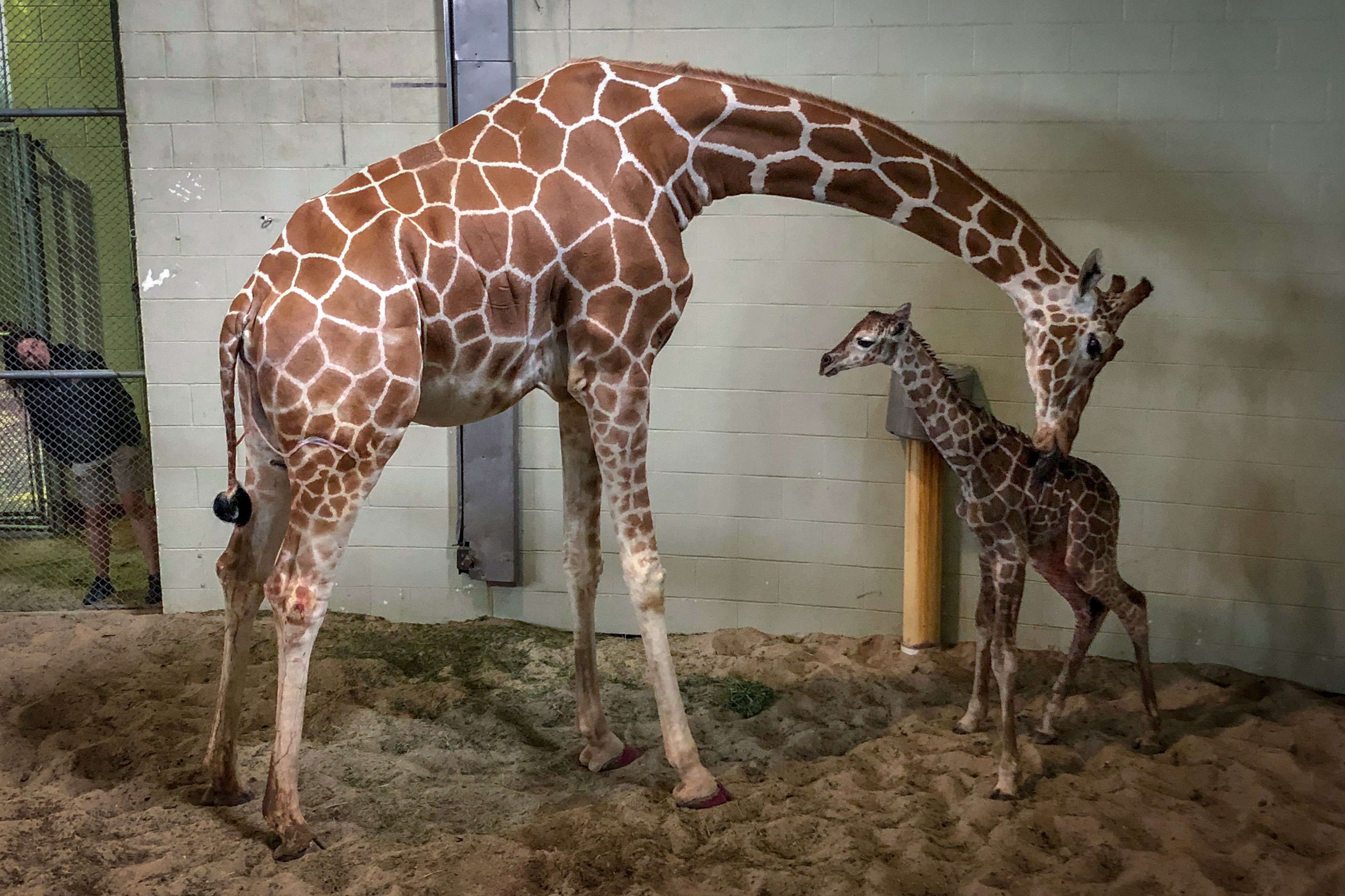
Cheyenne Mountain Zoo Welcomes Their Latest Baby Giraffe | Colorado ...
The legality of owning a giraffe in the United States is determined by a tiered system of government oversight. There is no simple "yes" or "no" answer, as a potential owner must navigate regulations at the federal, state, and local levels. Each layer of law presents its own set of rules and requirements that must be satisfied.
There's a story of a man in Northern Colorado getting attacked by a reindeer that has people around the state talking about what types of animals are legal to own here.
In general, it is illegal to own wildlife in Colorado. You cannot remove a wild animal from the woods and take it home.
Every U.S. state has exotic or wild animals laws defining if a species is allowed, forbidden, or needs specific permission. You can have a pet crocodile, python, or emu in some states, while others have banned pet rabbits or hamsters. Some U.S. states are more permissive than others. Find out what your state's wild or exotic animal laws are, and before you take an animal to your home.
17 Things Colorado Springs Is Known And Famous For

FindLaw's state-by-state guide of laws that prohibit and/or regulate the ownership of certain exotic animals.
In Colorado, the laws around what animals are legal or illegal to own are nuanced, and violating them can put you and the animals at risk. Generally speaking, wild animals (like bears, elk, mountain lions, and coyotes) are illegal to own, while domesticated animals (think cattle, horses, dogs, and cats) are legal and unregulated.
The legality of owning a giraffe in the United States is determined by a tiered system of government oversight. There is no simple "yes" or "no" answer, as a potential owner must navigate regulations at the federal, state, and local levels. Each layer of law presents its own set of rules and requirements that must be satisfied.
Curious about what exotic pets are legal in Colorado? Then read on! Please note that this is not an all inclusive list, but only includes animals we educate.
It’s A Girl! CMZoo Welcomes New Baby Giraffe | FOX21 News Colorado

In Colorado, the laws around what animals are legal or illegal to own are nuanced, and violating them can put you and the animals at risk. Generally speaking, wild animals (like bears, elk, mountain lions, and coyotes) are illegal to own, while domesticated animals (think cattle, horses, dogs, and cats) are legal and unregulated.
Curious about what exotic pets are legal in Colorado? Then read on! Please note that this is not an all inclusive list, but only includes animals we educate.
According to Colorado Parks and Wildlife, at least from their perspective wildlife should stay wild because not only are these animals happier in the wild, some of them are flat out too dangerous to own. It IS however legal to own domestic animals, which aren't regulated by the Colorado Parks and Wildlife. These animals must, however, comply with regulations of the state agriculture and.
Considering a pet giraffe? Understand the complex legal journey and requirements for responsible exotic animal ownership.
It’s A Girl! CMZoo Welcomes New Baby Giraffe | FOX21 News Colorado

Considering a pet giraffe? Understand the complex legal journey and requirements for responsible exotic animal ownership.
In general, it is illegal to own wildlife in Colorado. You cannot remove a wild animal from the woods and take it home.
Wildlife are a "public resource" so cannot be owned by individuals, according to Colorado Parks & Wildlife (CPW), and it's for the animals' own good. Wild animals just aren't wired for domestic living like dogs, cats, and other common pets. Wildlife can carry disease, and they can become frightened, destructive, and even harmful to.
In Colorado, the laws around what animals are legal or illegal to own are nuanced, and violating them can put you and the animals at risk. Generally speaking, wild animals (like bears, elk, mountain lions, and coyotes) are illegal to own, while domesticated animals (think cattle, horses, dogs, and cats) are legal and unregulated.
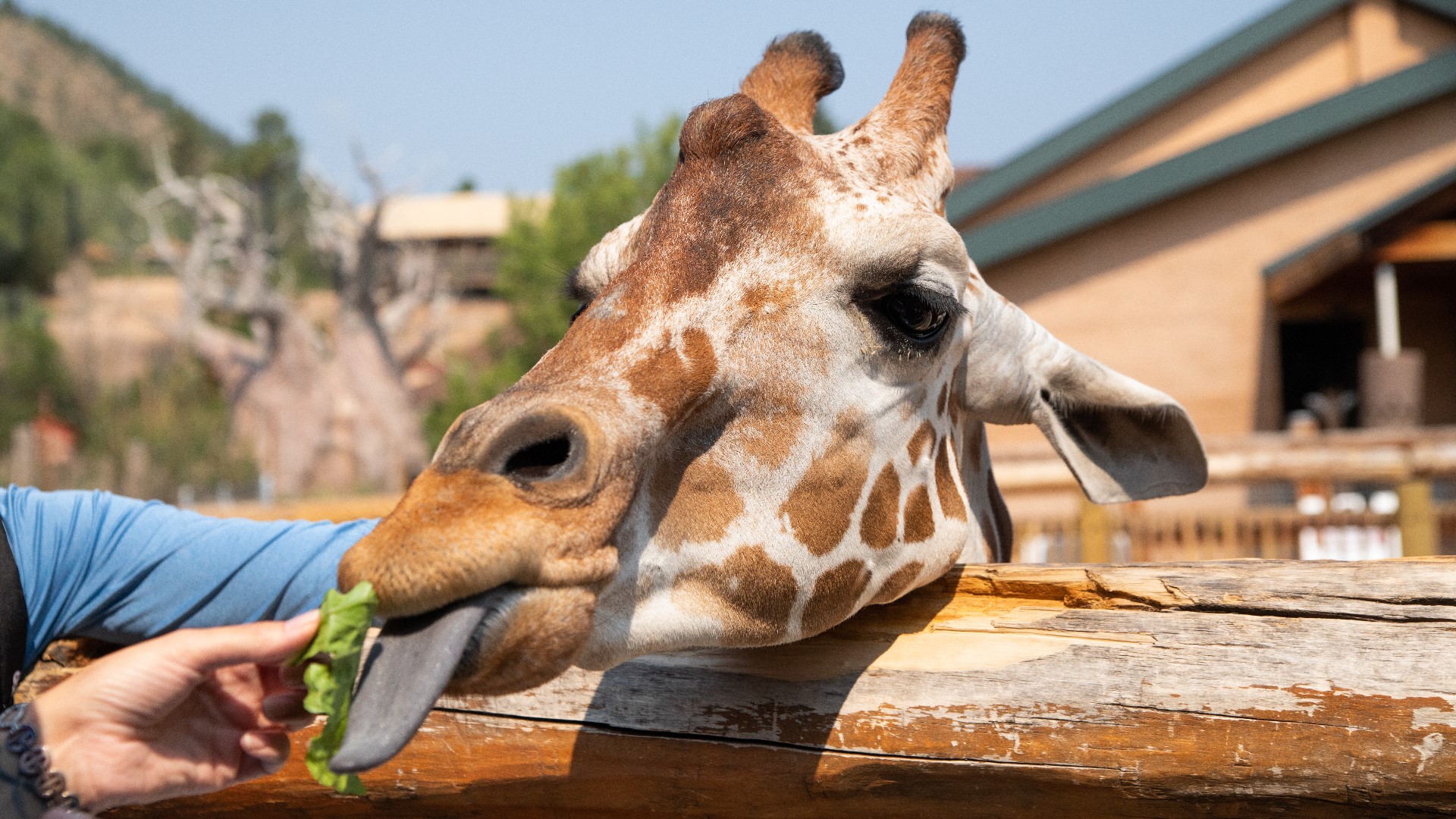
Giraffe Gives Birth At Cheyenne Mountain Zoo In Colorado | Wtsp.com
Every U.S. state has exotic or wild animals laws defining if a species is allowed, forbidden, or needs specific permission. You can have a pet crocodile, python, or emu in some states, while others have banned pet rabbits or hamsters. Some U.S. states are more permissive than others. Find out what your state's wild or exotic animal laws are, and before you take an animal to your home.
In general, it is illegal to own wildlife in Colorado. You cannot remove a wild animal from the woods and take it home.
According to Colorado Parks and Wildlife, at least from their perspective wildlife should stay wild because not only are these animals happier in the wild, some of them are flat out too dangerous to own. It IS however legal to own domestic animals, which aren't regulated by the Colorado Parks and Wildlife. These animals must, however, comply with regulations of the state agriculture and.
In Colorado, the laws around what animals are legal or illegal to own are nuanced, and violating them can put you and the animals at risk. Generally speaking, wild animals (like bears, elk, mountain lions, and coyotes) are illegal to own, while domesticated animals (think cattle, horses, dogs, and cats) are legal and unregulated.
Colorado's Cheyenne Mountain Zoo Welcomes Baby Giraffe Girl
:max_bytes(150000):strip_icc():focal(748x0:750x2)/giraffe-calf-born-cheyenne-mountain-zoo-102122-3-467c739bc6ba4bf6bd4b3ec441597995.jpg)
According to Colorado Parks and Wildlife, at least from their perspective wildlife should stay wild because not only are these animals happier in the wild, some of them are flat out too dangerous to own. It IS however legal to own domestic animals, which aren't regulated by the Colorado Parks and Wildlife. These animals must, however, comply with regulations of the state agriculture and.
FindLaw's state-by-state guide of laws that prohibit and/or regulate the ownership of certain exotic animals.
In Colorado, the laws around what animals are legal or illegal to own are nuanced, and violating them can put you and the animals at risk. Generally speaking, wild animals (like bears, elk, mountain lions, and coyotes) are illegal to own, while domesticated animals (think cattle, horses, dogs, and cats) are legal and unregulated.
There's a story of a man in Northern Colorado getting attacked by a reindeer that has people around the state talking about what types of animals are legal to own here.
"International Center For The Care And Conservation Of Giraffe ...

Curious about what exotic pets are legal in Colorado? Then read on! Please note that this is not an all inclusive list, but only includes animals we educate.
Every U.S. state has exotic or wild animals laws defining if a species is allowed, forbidden, or needs specific permission. You can have a pet crocodile, python, or emu in some states, while others have banned pet rabbits or hamsters. Some U.S. states are more permissive than others. Find out what your state's wild or exotic animal laws are, and before you take an animal to your home.
The legality of owning a giraffe in the United States is determined by a tiered system of government oversight. There is no simple "yes" or "no" answer, as a potential owner must navigate regulations at the federal, state, and local levels. Each layer of law presents its own set of rules and requirements that must be satisfied.
There's a story of a man in Northern Colorado getting attacked by a reindeer that has people around the state talking about what types of animals are legal to own here.
CMZoo Establishes A Center For Giraffe Conservation | FOX21 News Colorado

According to Colorado Parks and Wildlife, at least from their perspective wildlife should stay wild because not only are these animals happier in the wild, some of them are flat out too dangerous to own. It IS however legal to own domestic animals, which aren't regulated by the Colorado Parks and Wildlife. These animals must, however, comply with regulations of the state agriculture and.
Wildlife are a "public resource" so cannot be owned by individuals, according to Colorado Parks & Wildlife (CPW), and it's for the animals' own good. Wild animals just aren't wired for domestic living like dogs, cats, and other common pets. Wildlife can carry disease, and they can become frightened, destructive, and even harmful to.
FindLaw's state-by-state guide of laws that prohibit and/or regulate the ownership of certain exotic animals.
There's a story of a man in Northern Colorado getting attacked by a reindeer that has people around the state talking about what types of animals are legal to own here.
Cheyenne Mountain Zoo In Colorado Springs Launches A Giraffe Care And ...
FindLaw's state-by-state guide of laws that prohibit and/or regulate the ownership of certain exotic animals.
According to Colorado Parks and Wildlife, at least from their perspective wildlife should stay wild because not only are these animals happier in the wild, some of them are flat out too dangerous to own. It IS however legal to own domestic animals, which aren't regulated by the Colorado Parks and Wildlife. These animals must, however, comply with regulations of the state agriculture and.
Curious about what exotic pets are legal in Colorado? Then read on! Please note that this is not an all inclusive list, but only includes animals we educate.
Wildlife are a "public resource" so cannot be owned by individuals, according to Colorado Parks & Wildlife (CPW), and it's for the animals' own good. Wild animals just aren't wired for domestic living like dogs, cats, and other common pets. Wildlife can carry disease, and they can become frightened, destructive, and even harmful to.

Wildlife are a "public resource" so cannot be owned by individuals, according to Colorado Parks & Wildlife (CPW), and it's for the animals' own good. Wild animals just aren't wired for domestic living like dogs, cats, and other common pets. Wildlife can carry disease, and they can become frightened, destructive, and even harmful to.
In Colorado, the laws around what animals are legal or illegal to own are nuanced, and violating them can put you and the animals at risk. Generally speaking, wild animals (like bears, elk, mountain lions, and coyotes) are illegal to own, while domesticated animals (think cattle, horses, dogs, and cats) are legal and unregulated.
Every U.S. state has exotic or wild animals laws defining if a species is allowed, forbidden, or needs specific permission. You can have a pet crocodile, python, or emu in some states, while others have banned pet rabbits or hamsters. Some U.S. states are more permissive than others. Find out what your state's wild or exotic animal laws are, and before you take an animal to your home.
There's a story of a man in Northern Colorado getting attacked by a reindeer that has people around the state talking about what types of animals are legal to own here.
There's a story of a man in Northern Colorado getting attacked by a reindeer that has people around the state talking about what types of animals are legal to own here.
Considering a pet giraffe? Understand the complex legal journey and requirements for responsible exotic animal ownership.
According to Colorado Parks and Wildlife, at least from their perspective wildlife should stay wild because not only are these animals happier in the wild, some of them are flat out too dangerous to own. It IS however legal to own domestic animals, which aren't regulated by the Colorado Parks and Wildlife. These animals must, however, comply with regulations of the state agriculture and.
FindLaw's state-by-state guide of laws that prohibit and/or regulate the ownership of certain exotic animals.
The legality of owning a giraffe in the United States is determined by a tiered system of government oversight. There is no simple "yes" or "no" answer, as a potential owner must navigate regulations at the federal, state, and local levels. Each layer of law presents its own set of rules and requirements that must be satisfied.
Curious about what exotic pets are legal in Colorado? Then read on! Please note that this is not an all inclusive list, but only includes animals we educate.
In general, it is illegal to own wildlife in Colorado. You cannot remove a wild animal from the woods and take it home.
Every U.S. state has exotic or wild animals laws defining if a species is allowed, forbidden, or needs specific permission. You can have a pet crocodile, python, or emu in some states, while others have banned pet rabbits or hamsters. Some U.S. states are more permissive than others. Find out what your state's wild or exotic animal laws are, and before you take an animal to your home.
Wildlife are a "public resource" so cannot be owned by individuals, according to Colorado Parks & Wildlife (CPW), and it's for the animals' own good. Wild animals just aren't wired for domestic living like dogs, cats, and other common pets. Wildlife can carry disease, and they can become frightened, destructive, and even harmful to.
In Colorado, the laws around what animals are legal or illegal to own are nuanced, and violating them can put you and the animals at risk. Generally speaking, wild animals (like bears, elk, mountain lions, and coyotes) are illegal to own, while domesticated animals (think cattle, horses, dogs, and cats) are legal and unregulated.