Css Color Shadow
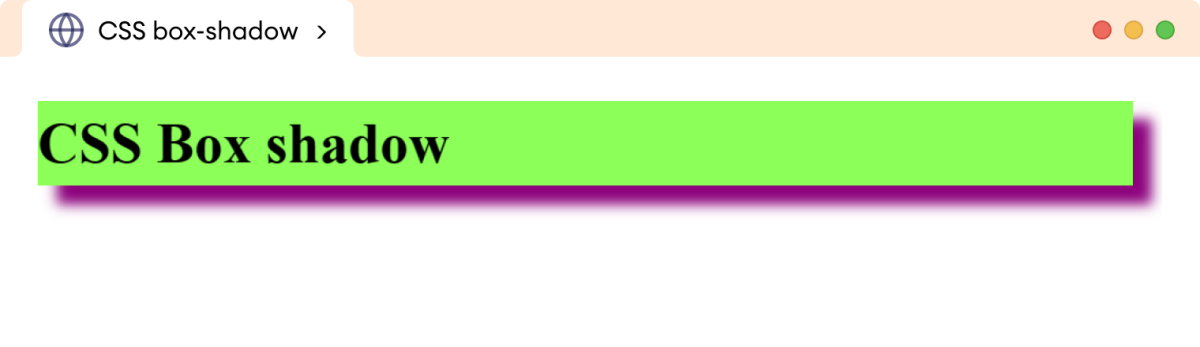
The box-shadow CSS property adds shadow effects around an element's frame. You can set multiple effects separated by commas. A box shadow is described by X and Y offsets relative to the element, blur and spread radius, and color.
🎨 Curated collection of 95 free beautiful CSS box-shadow, ready.
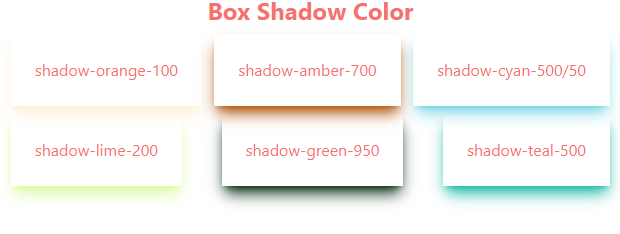
Basic usage Setting the box shadow color Use the shadow-* utilities to change the color of an existing box shadow. By default colored shadows have an opacity of 100%, but you can adjust this using the opacity modifier.
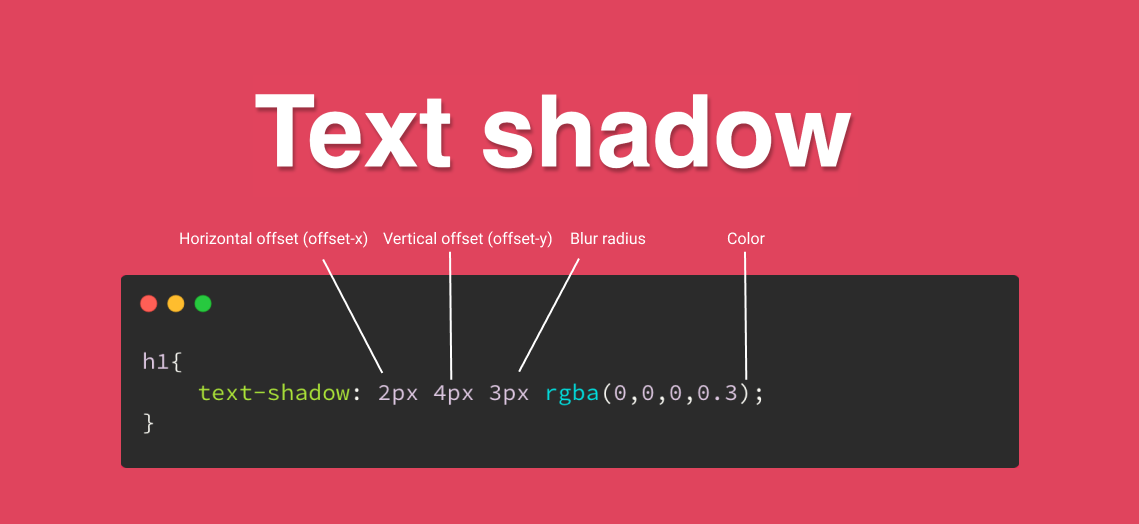
CSS Text Shadow The CSS text-shadow property applies shadow to text. In its simplest use, you only specify the horizontal shadow (2px) and the vertical shadow (2px): Text shadow effect!
CSS Box-shadow Property (With Examples)
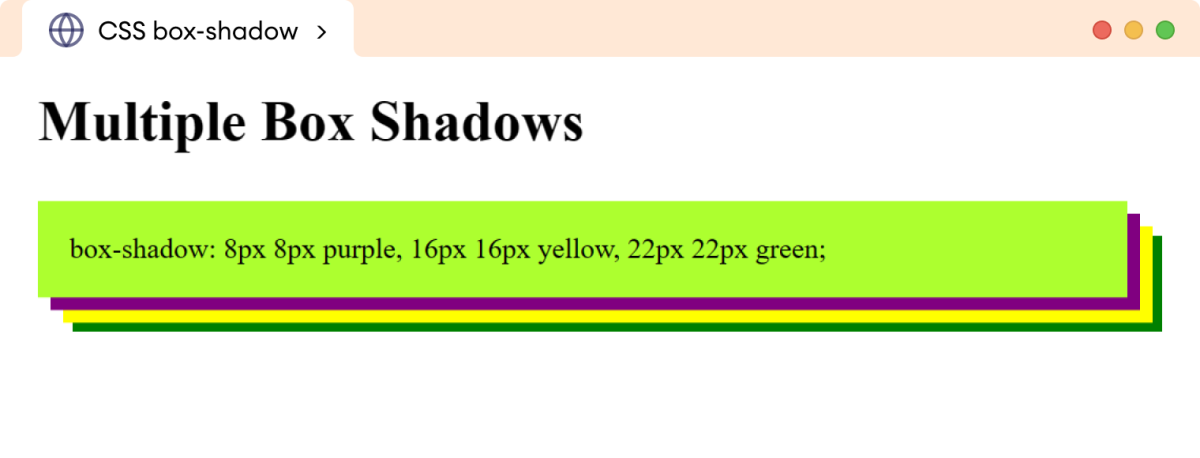
CSS Syntax box-shadow: none h-offset v-offset blur spread color inset initial inherit; Note: To attach more than one shadow to an element, add a comma-separated list of shadows (see "Try it Yourself" example below). Property Values Tip: about allowed values (CSS length units).
🎨 Curated collection of 95 free beautiful CSS box-shadow, ready.
Let's delve into the magic of CSS shadows and outlines. Box Shadows box-shadow is a popular CSS property that enables designers to add shadow effects around an element's frame. It can be used to give any element, be it a div, image, or button, a 3D feel or to emphasize on hover. box-shadow: h-offset v-offset blur spread color inset.
The box-shadow CSS property adds shadow effects around an element's frame. You can set multiple effects separated by commas. A box shadow is described by X and Y offsets relative to the element, blur and spread radius, and color.
CSS Box-shadow Property (With Examples)

CSS Syntax box-shadow: none h-offset v-offset blur spread color inset initial inherit; Note: To attach more than one shadow to an element, add a comma-separated list of shadows (see "Try it Yourself" example below). Property Values Tip: about allowed values (CSS length units).
Box shadow is a CSS property that allows you to add shadow effects to elements on a web page. This property allows you to specify the horizontal and vertical offset of the shadow, the blur radius, and the color of the shadow.
The box-shadow property in CSS is for putting shadows on elements (sometimes referred to as "drop shadows", ala Photoshop/Figma)..card { box-shadow: 0 3px 10px rgb(0 0 0 / 0.2); } That syntax is: box-shadow: [horizontal offset] [vertical offset] [blur radius] [optional spread radius] [color]; The horizontal offset (required) of the shadow, positive means the shadow will be on the right of.
Basic usage Setting the box shadow color Use the shadow-* utilities to change the color of an existing box shadow. By default colored shadows have an opacity of 100%, but you can adjust this using the opacity modifier.
Css How To Create A Drop Shadow Only On One Side Of An
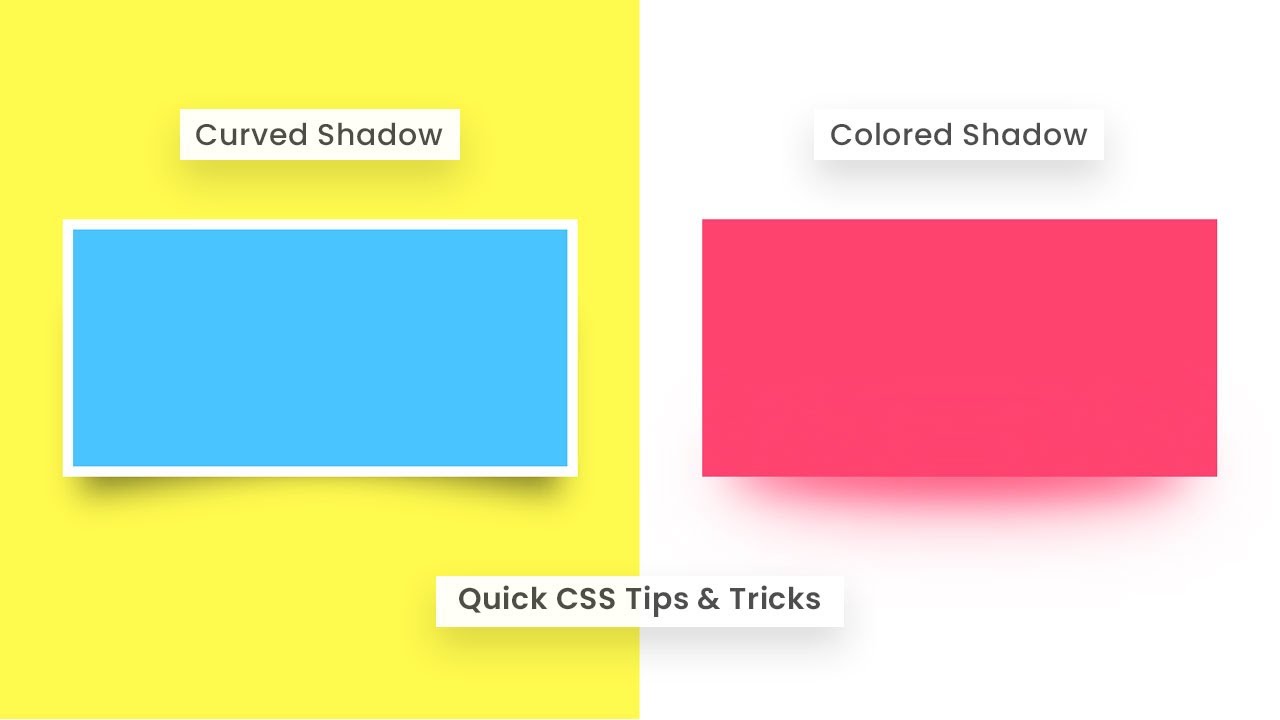
CSS Text Shadow The CSS text-shadow property applies shadow to text. In its simplest use, you only specify the horizontal shadow (2px) and the vertical shadow (2px): Text shadow effect!
Use text-shadow and box-shadow CSS properties for shadow effects in CSS. See how to have amazing effects for texts, borders and boxes.
The box-shadow CSS property adds shadow effects around an element's frame. You can set multiple effects separated by commas. A box shadow is described by X and Y offsets relative to the element, blur and spread radius, and color.
Let's delve into the magic of CSS shadows and outlines. Box Shadows box-shadow is a popular CSS property that enables designers to add shadow effects around an element's frame. It can be used to give any element, be it a div, image, or button, a 3D feel or to emphasize on hover. box-shadow: h-offset v-offset blur spread color inset.
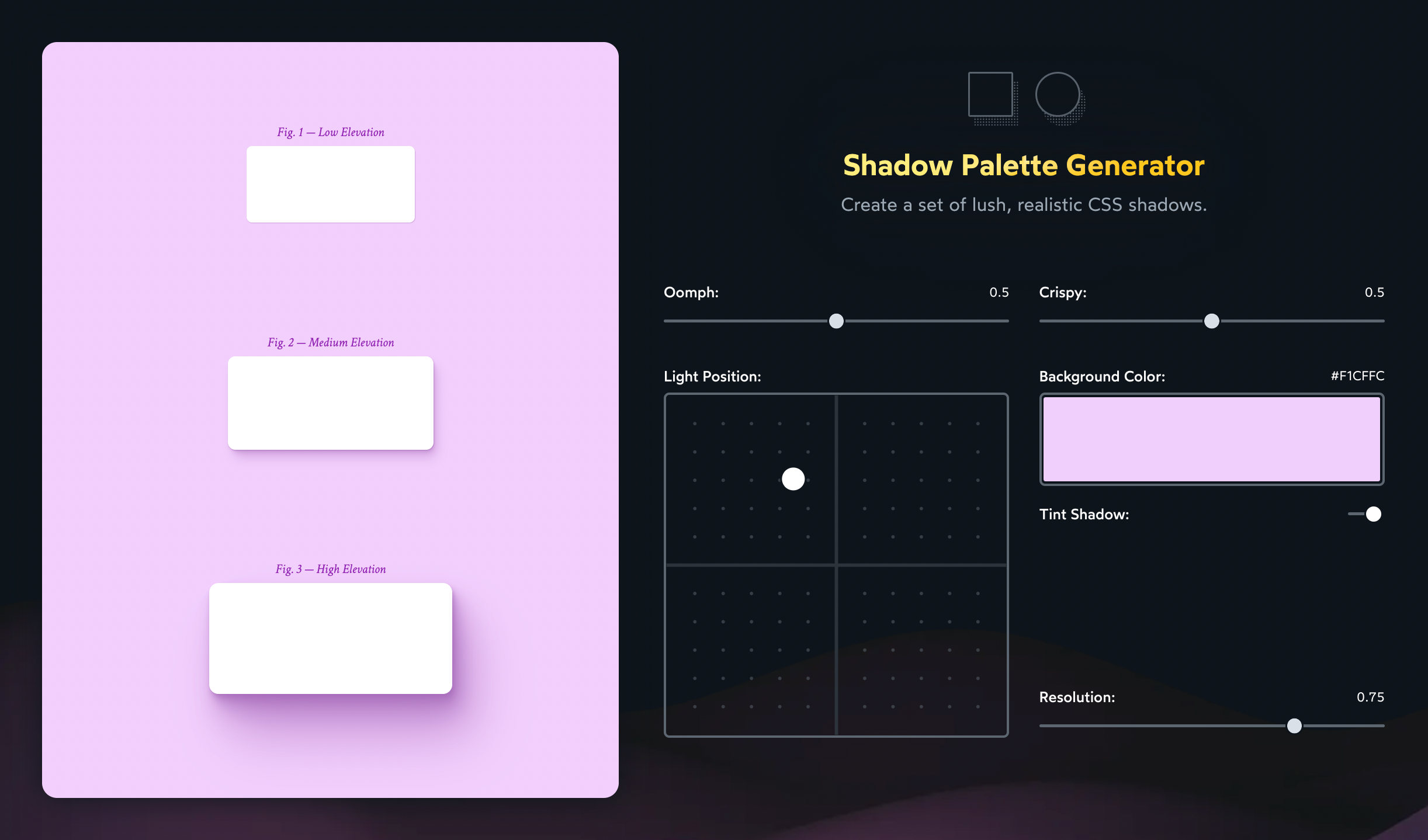
CSS Syntax box-shadow: none h-offset v-offset blur spread color inset initial inherit; Note: To attach more than one shadow to an element, add a comma-separated list of shadows (see "Try it Yourself" example below). Property Values Tip: about allowed values (CSS length units).
Basic usage Setting the box shadow color Use the shadow-* utilities to change the color of an existing box shadow. By default colored shadows have an opacity of 100%, but you can adjust this using the opacity modifier.
The box-shadow CSS property adds shadow effects around an element's frame. You can set multiple effects separated by commas. A box shadow is described by X and Y offsets relative to the element, blur and spread radius, and color.
🎨 Curated collection of 95 free beautiful CSS box-shadow, ready.
CSS Gradient Drop Shadow | Quick CSS Tips & Tricks - YouTube
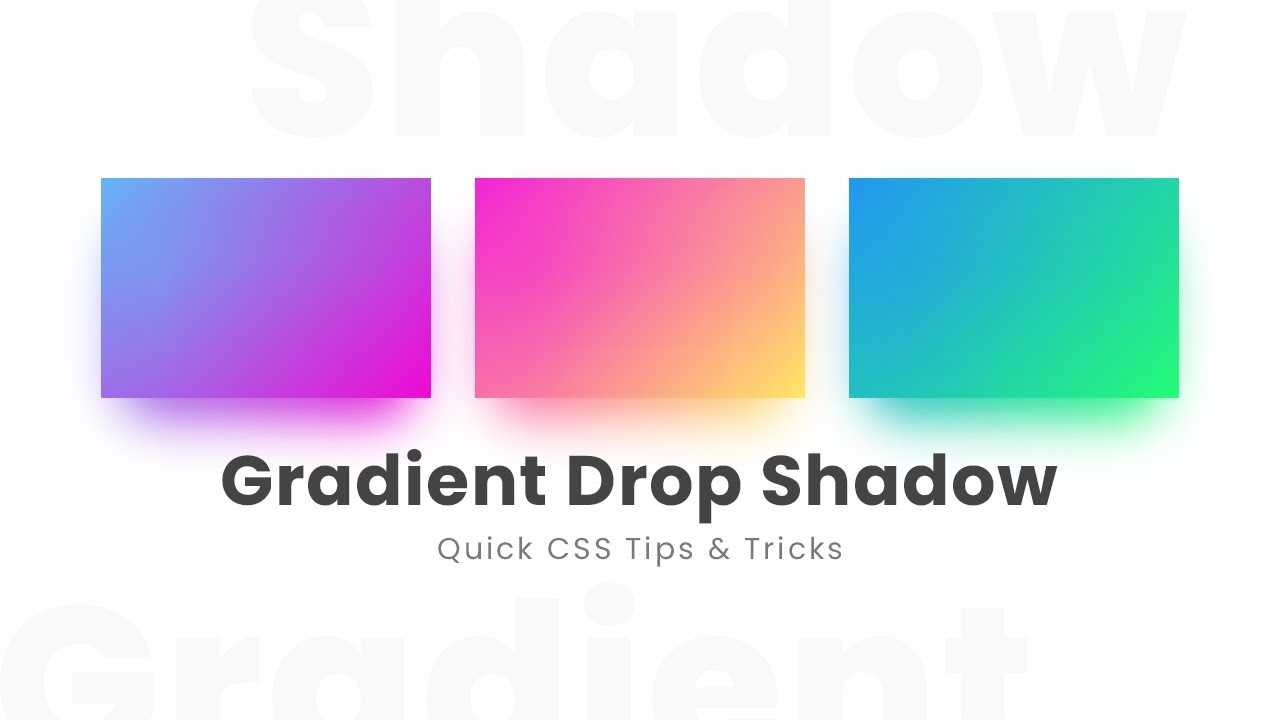
Basic usage Setting the box shadow color Use the shadow-* utilities to change the color of an existing box shadow. By default colored shadows have an opacity of 100%, but you can adjust this using the opacity modifier.
Use text-shadow and box-shadow CSS properties for shadow effects in CSS. See how to have amazing effects for texts, borders and boxes.
CSS Syntax box-shadow: none h-offset v-offset blur spread color inset initial inherit; Note: To attach more than one shadow to an element, add a comma-separated list of shadows (see "Try it Yourself" example below). Property Values Tip: about allowed values (CSS length units).
Box shadow is a CSS property that allows you to add shadow effects to elements on a web page. This property allows you to specify the horizontal and vertical offset of the shadow, the blur radius, and the color of the shadow.
CSS Shadows - Coding Ninjas
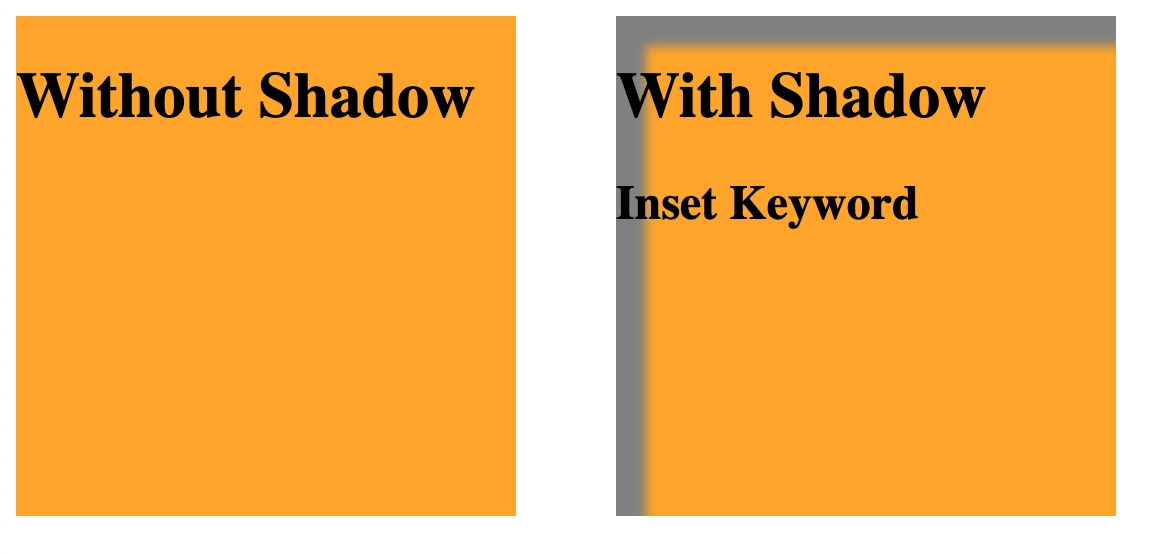
Box shadow is a CSS property that allows you to add shadow effects to elements on a web page. This property allows you to specify the horizontal and vertical offset of the shadow, the blur radius, and the color of the shadow.
Use text-shadow and box-shadow CSS properties for shadow effects in CSS. See how to have amazing effects for texts, borders and boxes.
🎨 Curated collection of 95 free beautiful CSS box-shadow, ready.
Basic usage Setting the box shadow color Use the shadow-* utilities to change the color of an existing box shadow. By default colored shadows have an opacity of 100%, but you can adjust this using the opacity modifier.
CSS Box-shadow Generator | Front-end Tools - High-performance And ...
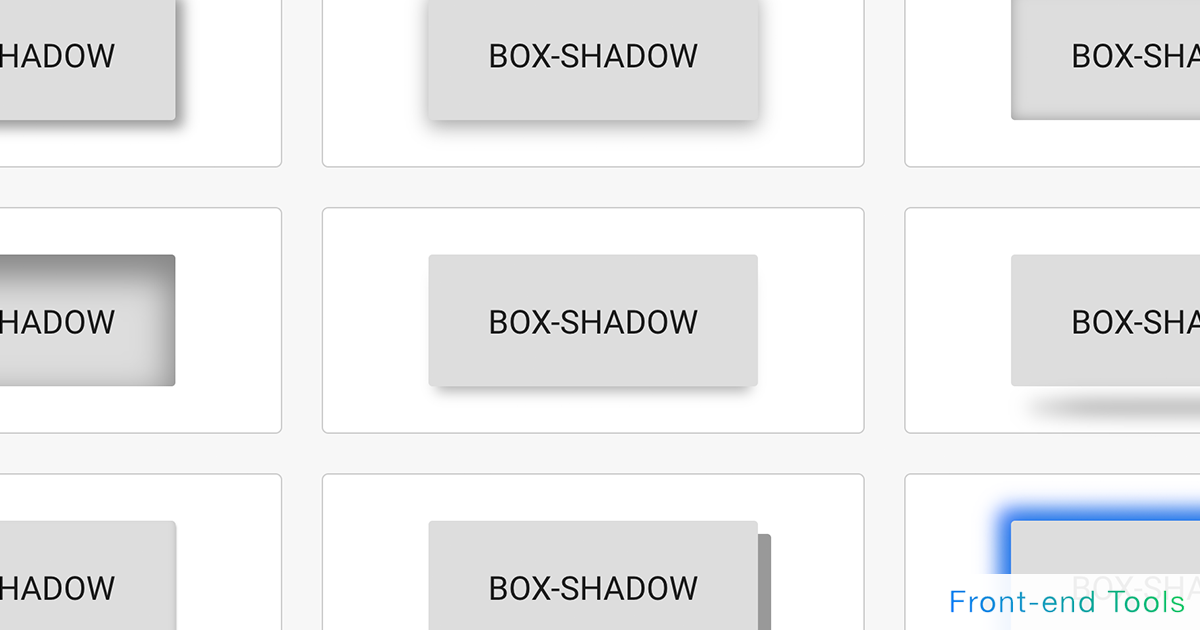
🎨 Curated collection of 95 free beautiful CSS box-shadow, ready.
Use text-shadow and box-shadow CSS properties for shadow effects in CSS. See how to have amazing effects for texts, borders and boxes.
The box-shadow CSS property adds shadow effects around an element's frame. You can set multiple effects separated by commas. A box shadow is described by X and Y offsets relative to the element, blur and spread radius, and color.
Basic usage Setting the box shadow color Use the shadow-* utilities to change the color of an existing box shadow. By default colored shadows have an opacity of 100%, but you can adjust this using the opacity modifier.
CSS Shadows: Adding Depth & Dimension To Your Web Designs | RB
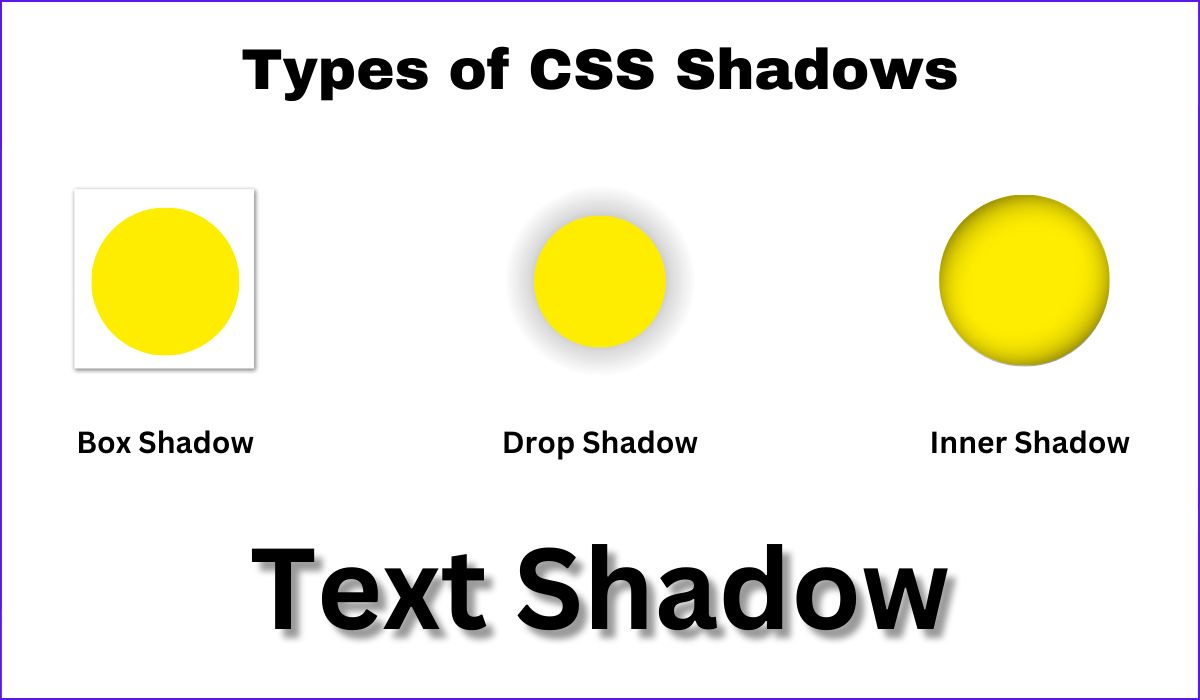
CSS Text Shadow The CSS text-shadow property applies shadow to text. In its simplest use, you only specify the horizontal shadow (2px) and the vertical shadow (2px): Text shadow effect!
Let's delve into the magic of CSS shadows and outlines. Box Shadows box-shadow is a popular CSS property that enables designers to add shadow effects around an element's frame. It can be used to give any element, be it a div, image, or button, a 3D feel or to emphasize on hover. box-shadow: h-offset v-offset blur spread color inset.
Box shadow is a CSS property that allows you to add shadow effects to elements on a web page. This property allows you to specify the horizontal and vertical offset of the shadow, the blur radius, and the color of the shadow.
Use text-shadow and box-shadow CSS properties for shadow effects in CSS. See how to have amazing effects for texts, borders and boxes.
How To Add A Color To The Shadow In CSS - Programming Cube

Box shadow is a CSS property that allows you to add shadow effects to elements on a web page. This property allows you to specify the horizontal and vertical offset of the shadow, the blur radius, and the color of the shadow.
Basic usage Setting the box shadow color Use the shadow-* utilities to change the color of an existing box shadow. By default colored shadows have an opacity of 100%, but you can adjust this using the opacity modifier.
CSS Text Shadow The CSS text-shadow property applies shadow to text. In its simplest use, you only specify the horizontal shadow (2px) and the vertical shadow (2px): Text shadow effect!
The box-shadow CSS property adds shadow effects around an element's frame. You can set multiple effects separated by commas. A box shadow is described by X and Y offsets relative to the element, blur and spread radius, and color.
CSS Shadow Effects That Make A Statement
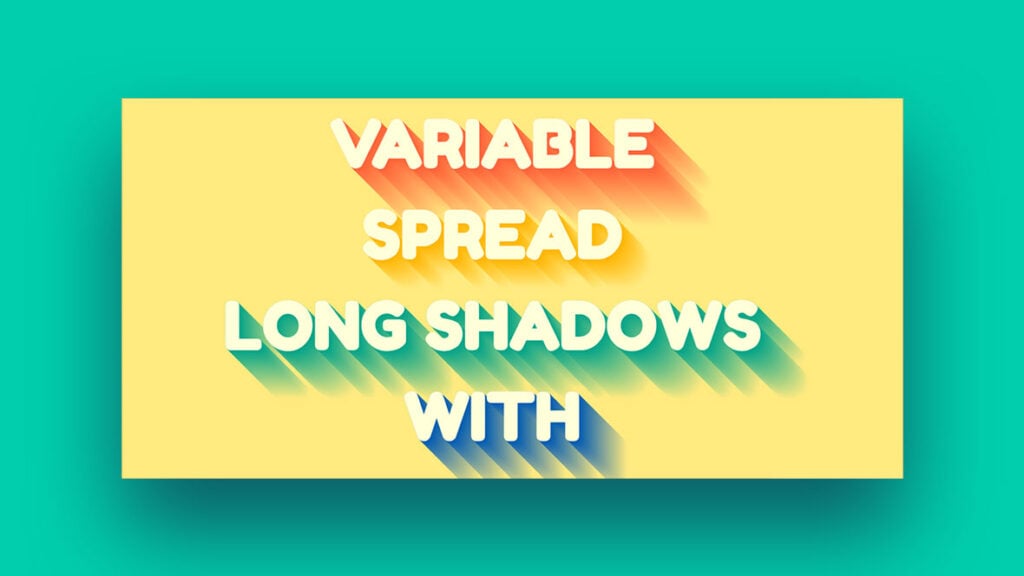
Use text-shadow and box-shadow CSS properties for shadow effects in CSS. See how to have amazing effects for texts, borders and boxes.
CSS Text Shadow The CSS text-shadow property applies shadow to text. In its simplest use, you only specify the horizontal shadow (2px) and the vertical shadow (2px): Text shadow effect!
CSS Syntax box-shadow: none h-offset v-offset blur spread color inset initial inherit; Note: To attach more than one shadow to an element, add a comma-separated list of shadows (see "Try it Yourself" example below). Property Values Tip: about allowed values (CSS length units).
The box-shadow CSS property adds shadow effects around an element's frame. You can set multiple effects separated by commas. A box shadow is described by X and Y offsets relative to the element, blur and spread radius, and color.
CSS Shadow Generator - Generate Fancy Css Shadows

Let's delve into the magic of CSS shadows and outlines. Box Shadows box-shadow is a popular CSS property that enables designers to add shadow effects around an element's frame. It can be used to give any element, be it a div, image, or button, a 3D feel or to emphasize on hover. box-shadow: h-offset v-offset blur spread color inset.
Use text-shadow and box-shadow CSS properties for shadow effects in CSS. See how to have amazing effects for texts, borders and boxes.
Box shadow is a CSS property that allows you to add shadow effects to elements on a web page. This property allows you to specify the horizontal and vertical offset of the shadow, the blur radius, and the color of the shadow.
Basic usage Setting the box shadow color Use the shadow-* utilities to change the color of an existing box shadow. By default colored shadows have an opacity of 100%, but you can adjust this using the opacity modifier.
The box-shadow property in CSS is for putting shadows on elements (sometimes referred to as "drop shadows", ala Photoshop/Figma)..card { box-shadow: 0 3px 10px rgb(0 0 0 / 0.2); } That syntax is: box-shadow: [horizontal offset] [vertical offset] [blur radius] [optional spread radius] [color]; The horizontal offset (required) of the shadow, positive means the shadow will be on the right of.
The box-shadow CSS property adds shadow effects around an element's frame. You can set multiple effects separated by commas. A box shadow is described by X and Y offsets relative to the element, blur and spread radius, and color.
Box shadow is a CSS property that allows you to add shadow effects to elements on a web page. This property allows you to specify the horizontal and vertical offset of the shadow, the blur radius, and the color of the shadow.
CSS Syntax box-shadow: none h-offset v-offset blur spread color inset initial inherit; Note: To attach more than one shadow to an element, add a comma-separated list of shadows (see "Try it Yourself" example below). Property Values Tip: about allowed values (CSS length units).
CSS Shadow Gradients - Generate CSS Shadow With Gradient Colors

The box-shadow property in CSS is for putting shadows on elements (sometimes referred to as "drop shadows", ala Photoshop/Figma)..card { box-shadow: 0 3px 10px rgb(0 0 0 / 0.2); } That syntax is: box-shadow: [horizontal offset] [vertical offset] [blur radius] [optional spread radius] [color]; The horizontal offset (required) of the shadow, positive means the shadow will be on the right of.
Let's delve into the magic of CSS shadows and outlines. Box Shadows box-shadow is a popular CSS property that enables designers to add shadow effects around an element's frame. It can be used to give any element, be it a div, image, or button, a 3D feel or to emphasize on hover. box-shadow: h-offset v-offset blur spread color inset.
Basic usage Setting the box shadow color Use the shadow-* utilities to change the color of an existing box shadow. By default colored shadows have an opacity of 100%, but you can adjust this using the opacity modifier.
CSS Syntax box-shadow: none h-offset v-offset blur spread color inset initial inherit; Note: To attach more than one shadow to an element, add a comma-separated list of shadows (see "Try it Yourself" example below). Property Values Tip: about allowed values (CSS length units).
CSS Box-shadow Property (With Examples)
The box-shadow property in CSS is for putting shadows on elements (sometimes referred to as "drop shadows", ala Photoshop/Figma)..card { box-shadow: 0 3px 10px rgb(0 0 0 / 0.2); } That syntax is: box-shadow: [horizontal offset] [vertical offset] [blur radius] [optional spread radius] [color]; The horizontal offset (required) of the shadow, positive means the shadow will be on the right of.
Box shadow is a CSS property that allows you to add shadow effects to elements on a web page. This property allows you to specify the horizontal and vertical offset of the shadow, the blur radius, and the color of the shadow.
Use text-shadow and box-shadow CSS properties for shadow effects in CSS. See how to have amazing effects for texts, borders and boxes.
Basic usage Setting the box shadow color Use the shadow-* utilities to change the color of an existing box shadow. By default colored shadows have an opacity of 100%, but you can adjust this using the opacity modifier.
Tailwind CSS Field Shadow - The Dev News
Box shadow is a CSS property that allows you to add shadow effects to elements on a web page. This property allows you to specify the horizontal and vertical offset of the shadow, the blur radius, and the color of the shadow.
Use text-shadow and box-shadow CSS properties for shadow effects in CSS. See how to have amazing effects for texts, borders and boxes.
Let's delve into the magic of CSS shadows and outlines. Box Shadows box-shadow is a popular CSS property that enables designers to add shadow effects around an element's frame. It can be used to give any element, be it a div, image, or button, a 3D feel or to emphasize on hover. box-shadow: h-offset v-offset blur spread color inset.
The box-shadow CSS property adds shadow effects around an element's frame. You can set multiple effects separated by commas. A box shadow is described by X and Y offsets relative to the element, blur and spread radius, and color.
Box shadow is a CSS property that allows you to add shadow effects to elements on a web page. This property allows you to specify the horizontal and vertical offset of the shadow, the blur radius, and the color of the shadow.
CSS Syntax box-shadow: none h-offset v-offset blur spread color inset initial inherit; Note: To attach more than one shadow to an element, add a comma-separated list of shadows (see "Try it Yourself" example below). Property Values Tip: about allowed values (CSS length units).
Let's delve into the magic of CSS shadows and outlines. Box Shadows box-shadow is a popular CSS property that enables designers to add shadow effects around an element's frame. It can be used to give any element, be it a div, image, or button, a 3D feel or to emphasize on hover. box-shadow: h-offset v-offset blur spread color inset.
CSS Text Shadow The CSS text-shadow property applies shadow to text. In its simplest use, you only specify the horizontal shadow (2px) and the vertical shadow (2px): Text shadow effect!
The box-shadow property in CSS is for putting shadows on elements (sometimes referred to as "drop shadows", ala Photoshop/Figma)..card { box-shadow: 0 3px 10px rgb(0 0 0 / 0.2); } That syntax is: box-shadow: [horizontal offset] [vertical offset] [blur radius] [optional spread radius] [color]; The horizontal offset (required) of the shadow, positive means the shadow will be on the right of.
🎨 Curated collection of 95 free beautiful CSS box-shadow, ready.
Basic usage Setting the box shadow color Use the shadow-* utilities to change the color of an existing box shadow. By default colored shadows have an opacity of 100%, but you can adjust this using the opacity modifier.
The box-shadow CSS property adds shadow effects around an element's frame. You can set multiple effects separated by commas. A box shadow is described by X and Y offsets relative to the element, blur and spread radius, and color.
Use text-shadow and box-shadow CSS properties for shadow effects in CSS. See how to have amazing effects for texts, borders and boxes.